🌍 The History of Samba: The Heartbeat of a Nation
🌍 A História do Samba: A batida do coração de uma nação
From the hills of Rio to the world’s stages — the story of the rhythm that became Brazil’s soul. Dos morros do Rio aos palcos do mundo — a história do ritmo que se tornou a alma do Brasil.
A Rhythm Born of Resistance
Every culture has its heartbeat. In Brazil, that heartbeat is the samba.
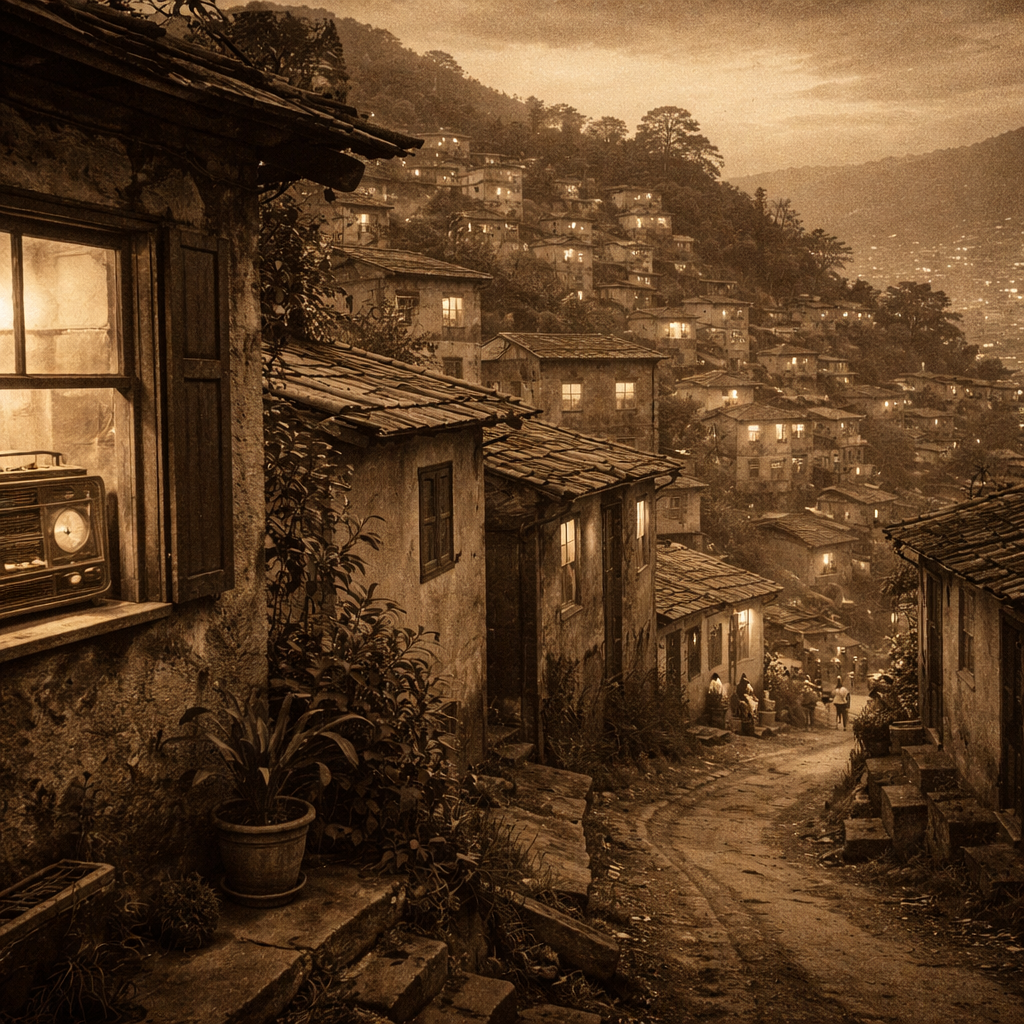
But samba did not begin as a national symbol. It began in the margins — in the senzalas, the terreiros, the hills of Rio de Janeiro, among communities that had been enslaved, displaced, and silenced for centuries. It began as a cry of survival, a celebration of identity, and an act of quiet, persistent resistance.
To understand Brazil, you must understand samba. And to understand samba, you must go back to its roots.
The African Roots
The story of samba begins in Africa.
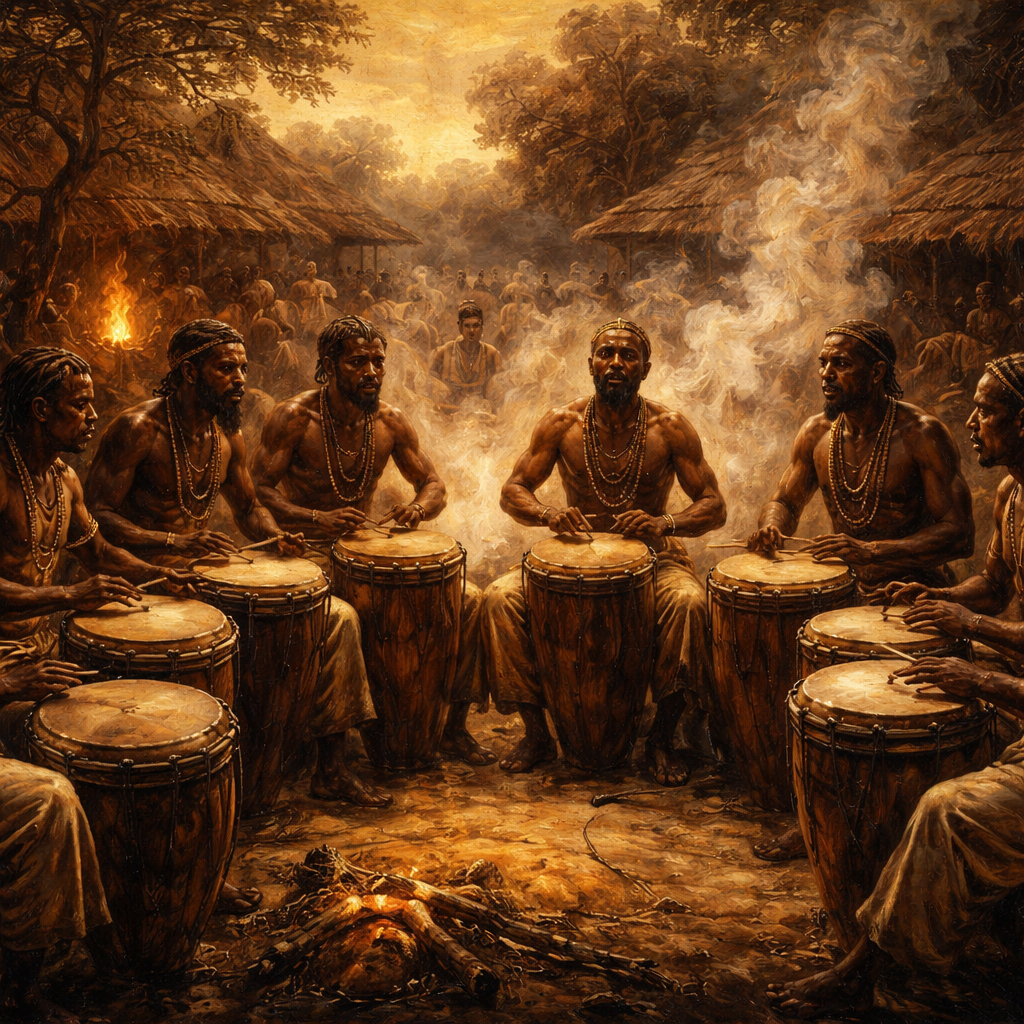
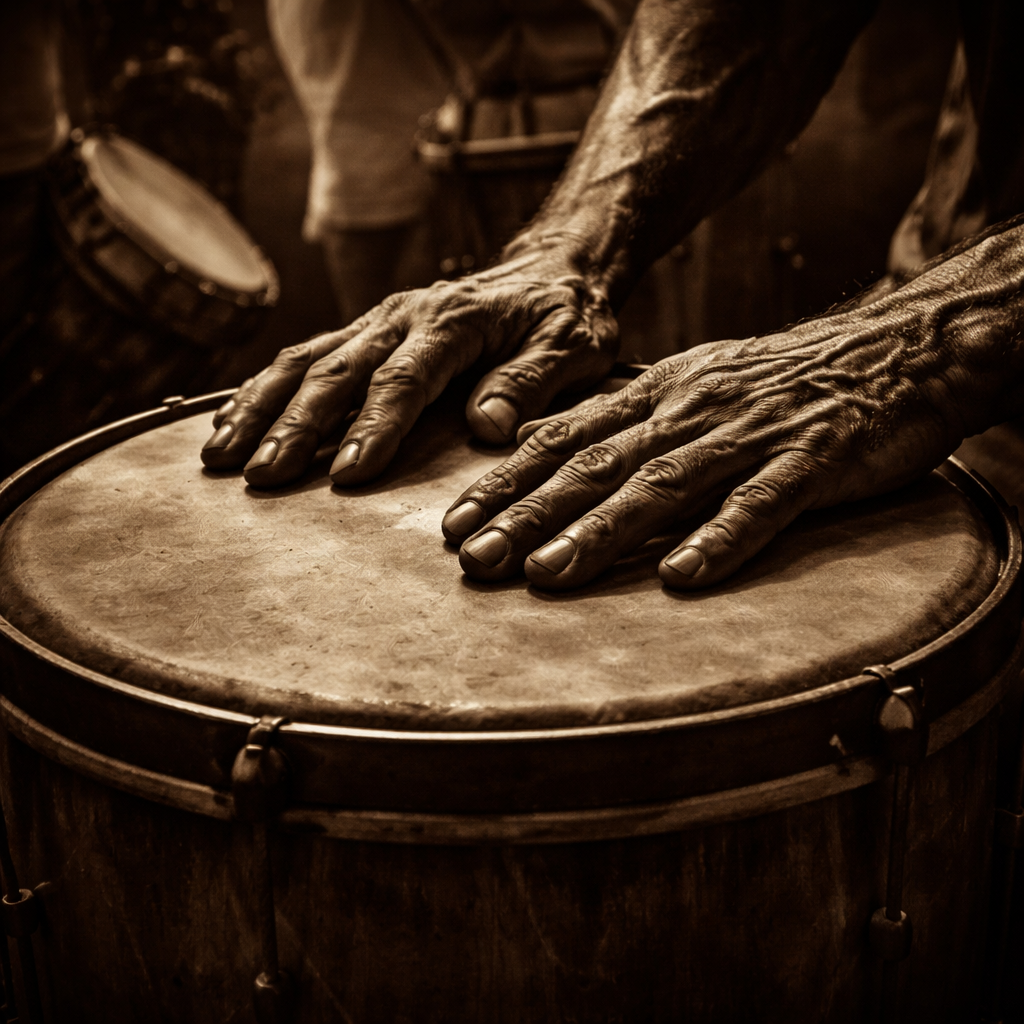
With the transatlantic slave trade, millions of Africans were brought to Brazil between the 16th and 19th centuries, carrying with them their languages, their religions, their rhythms, and their traditions. The batuques — drumming ceremonies — of West and Central Africa became the rhythmic foundation upon which samba would be built.
These traditions blended with the musical forms of the Indigenous peoples and the colonizers to create something entirely new. In the cities, and especially in the black communities of Rio, this fusion began to crystallize into what we now recognize as samba.
The Hills of Rio: Birth of a Genre
The consensus among historians is that modern samba was born in the early 20th century in the neighborhoods of Estácio, Mangueira, and the surrounding hills of Rio de Janeiro.
It was there, in the 1910s and 1920s, that a generation of black musicians — men like Ismael Silva, Donga, and Pixinguinha — transformed the older rhythms of African origin into a new, danceable, distinctly urban sound. They gave samba its characteristic percussion pattern, its syncopation, its swing.
In 1917, “Pelo Telefone,” credited to Donga, became the first samba to be recorded. It was a milestone — the moment samba stepped out of the terreiros and into the world.
Samba and the Carnival
The link between samba and Carnival transformed the genre.
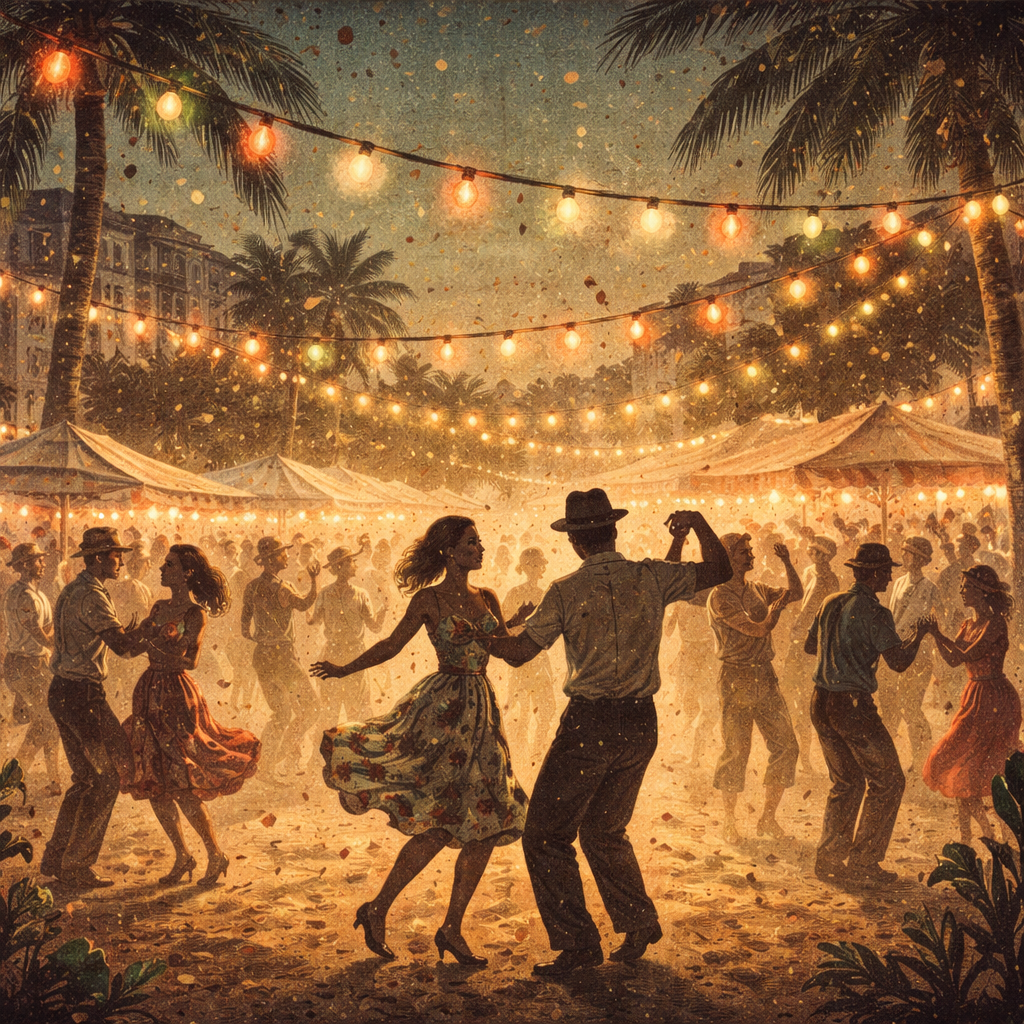
In the late 1920s, the first samba schools were founded in Rio — Deixa Falar, Mangueira, Portela. These were not just musical groups. They were communities, organizing around music, dance, and the celebration of Afro-Brazilian identity. By the 1930s, the samba schools had become the heart of Rio’s Carnival.
Carnival gave samba a stage of extraordinary scale. It also gave black Brazilians a space of visibility and pride in a society that often denied them both.
The Golden Age
The 1930s through the 1950s are often called the golden age of samba.
Composers like Cartola, Noel Rosa, Ataulfo Alves, and Wilson Batista created an extraordinary body of work. Samba became the definitive soundtrack of urban Brazil. Radio brought it into every home. The samba-canção — a slower, more romantic variant — emerged and joined the great tradition of Brazilian sentimental song.
At the same time, samba maintained its connection to its roots. The morros continued to be its creative heart, even as the genre conquered the city and the nation.
Samba and Politics
Throughout its history, samba has had a complex relationship with politics and power.
In the 1930s, Getúlio Vargas’s government instrumentalized samba as a symbol of national unity, promoting it as the music of the Brazilian people. For some, this was a form of co-optation. For others, it was an opportunity. Samba, once marginalized, was now at the center of national identity.
In the final decades of the 20th century, samba became increasingly associated with black identity and resistance. The rise of pagode in the 1980s and the conscious reclamation of samba’s African heritage reaffirmed its role as a voice of the people.
A Rhythm for the World
Today, samba is recognized around the world as one of the most joyful and vital musical forms on the planet.
Carnival in Rio draws millions. Samba schools are institutions of extraordinary cultural and social importance. Brazilian communities from London to Tokyo to New York gather to dance and play samba.
But its true meaning remains rooted in its history. Samba is not just a rhythm. It is the story of a people who, in the face of unimaginable adversity, created one of the world’s most exuberant expressions of life.
To hear samba is to hear the resilience, the joy, and the unbreakable spirit of Brazil.
🇧🇷 RESUMO EM PORTUGUÊS (3-4 parágrafos)
Toda cultura tem sua batida de coração. No Brasil, essa batida é o samba. Mas o samba não começou como símbolo nacional. Começou à margem — nas senzalas, nos terreiros, nos morros do Rio, entre comunidades que foram escravizadas, deslocadas e silenciadas por séculos. Começou como grito de sobrevivência, celebração de identidade e ato de resistência silenciosa e persistente. Para entender o Brasil, é preciso entender o samba.
A história do samba começa na África. Com o tráfico transatlântico, milhões de africanos foram trazidos ao Brasil entre os séculos XVI e XIX, carregando suas línguas, religiões, ritmos e tradições. Os batuques da África Ocidental e Central tornaram-se a base rítmica sobre a qual o samba seria construído, fundindo-se com formas musicais indígenas e dos colonizadores.
Por consenso dos historiadores, o samba moderno nasceu no início do século XX nos bairros de Estácio, Mangueira e arredores do Rio. Em 1917, “Pelo Telefone”, de Donga, tornou-se o primeiro samba gravado. Nas décadas seguintes, o vínculo com o Carnaval o transformou — as primeiras escolas de samba foram fundadas na virada dos anos 1920 para os anos 1930, dando ao ritmo um palco de escala extraordinária. A era de ouro, entre 1930 e 1950, viu Cartola, Noel Rosa, Ataulfo Alves e Wilson Batista criarem uma obra extraordinária. Hoje, o samba é reconhecido no mundo todo como uma das formas musicais mais alegres e vitais do planeta — a história de um povo que, diante de adversidades inimagináveis, criou uma das expressões mais exuberantes de vida do mundo.