
🌎 Bossa Nova Goes Global

🌎 Bossa Nova Conquista o Mundo
How a soft Brazilian whisper became a worldwide phenomenon. Como um sussurro suave brasileiro se tornou um fenômeno mundial.
From the Living Room to the World
It began in a tiny apartment in Copacabana, in a narrow alley, in a quiet bar by the beach. It was intimate, gentle, and unmistakably Brazilian.
But bossa nova was never meant to stay in one place. Within a few short years, it crossed oceans, continents, and cultures — becoming one of the most influential and beloved musical movements of the 20th century.
This is the story of how a soft Brazilian whisper became a worldwide phenomenon.
The First Step: The United States

The journey began in earnest with the Carnegie Hall concert in 1962, a landmark moment in New York City.
Invited to perform on one of the world’s most prestigious stages, the bossa nova generation — including João Gilberto and Sérgio Mendes — introduced the American audience to the new Brazilian sound. It was a bold, ambitious moment: a young movement from Rio daring to meet the world on its grandest stage.
Though the first concert was not an instant triumph, it opened the door. American jazz musicians — always hungry for new inspiration — were immediately captivated by the delicate harmonies and the sophisticated rhythm.
The real breakthrough came in 1963, with the recording of “The Girl from Ipanema” — featuring the voices of João and Astrud Gilberto and the saxophone of American jazz legend Stan Getz. The song was released to worldwide acclaim, climbing the charts and winning a Grammy Award.
Suddenly, the whole world was humming a Brazilian melody. And it has not stopped since.

The American Jazz Connection
One of the secrets of bossa nova’s global success was its natural affinity with jazz.
Bossa nova’s sophisticated harmonies and improvisational spirit made it a perfect partner for American jazz. Musicians like Stan Getz, Charlie Byrd, and many others embraced the style, recording bossa nova albums that brought the sound to millions of listeners.
This cross-cultural marriage proved something wonderful: that Brazilian elegance and American energy could dance together beautifully. The result was a body of work — albums like Getz/Gilberto — that remains among the most beloved recordings in music history.
It was a moment when two great musical cultures met as equals, each enriching the other.
The European Embrace
If America was seduced by bossa nova’s sophistication, Europe fell deeply in love with its romance.
In France, Italy, Portugal, and beyond, the bossa nova sound became the soundtrack of elegant evenings, of cafés and poetry, of a certain refined way of life. European artists and audiences were enchanted by the genre’s blend of tenderness and intelligence.
European musicians eagerly covered Brazilian songs, and the bossa repertoire — “Desafinado,” “Corcovado,” “Wave,” and others — became standards performed by orchestras and jazz combos across the continent.
Bossa nova gave Europe a new way to feel Brazil — not as an exotic other, but as a kindred soul sharing a love of beauty.
The Unexpected Love Story: Japan
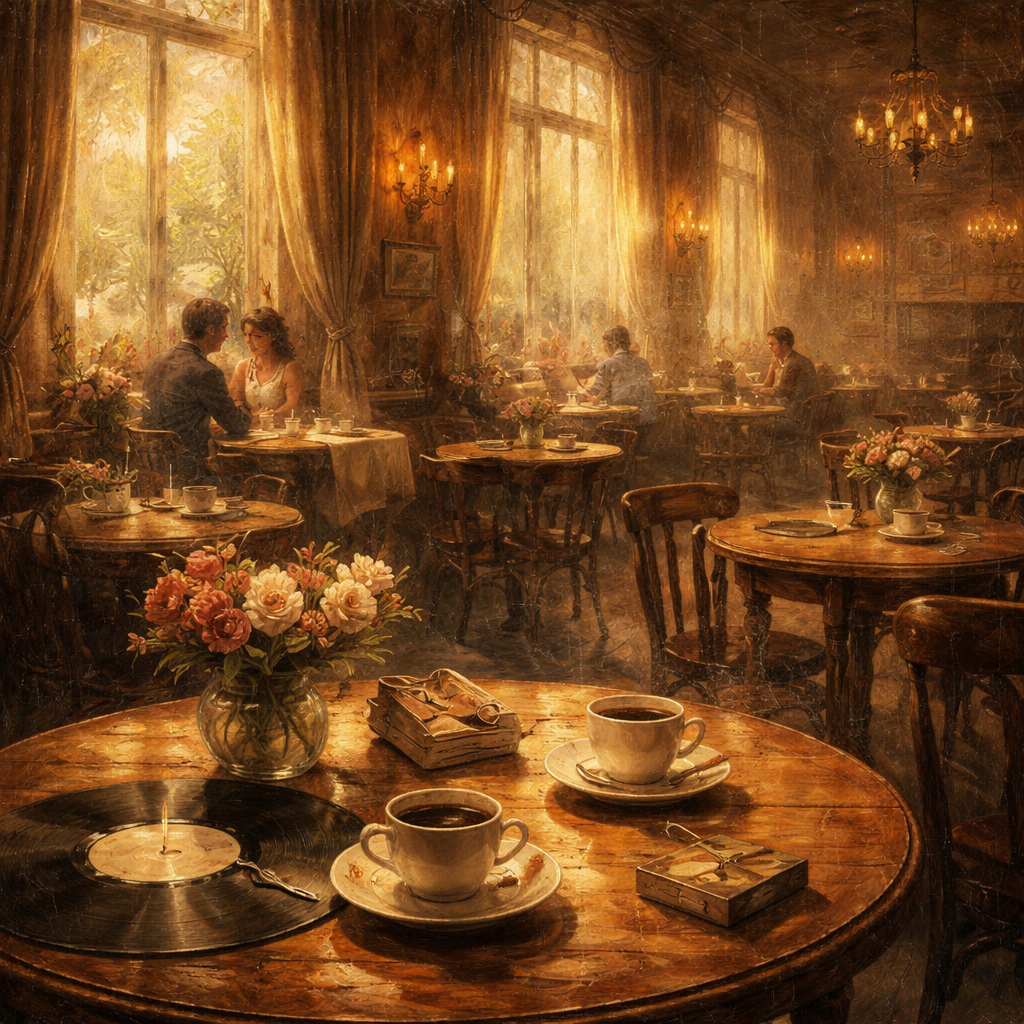
Perhaps the most surprising and passionate love story in bossa nova’s global journey is with Japan.
Beginning in the mid-20th century, Japanese musicians and audiences developed an extraordinary and enduring fascination with Brazilian music — and bossa nova in particular. The genre’s delicacy, its sophistication, and its sense of saudade resonated deeply with the Japanese sensibility.
Today, Japan is home to some of the world’s most devoted bossa nova fans. Japanese artists record and perform Brazilian classics with remarkable fidelity and love, and João Gilberto and Tom Jobim are revered there almost as deities.
It is a beautiful proof that music has no borders — that a song written in a Rio living room could find its most devoted audience on the other side of the planet.
The Sound of a Certain Brazil
What is it about bossa nova that so enchanted the world?
It is, perhaps, the image it projects — a certain Brazil. Not the Brazil of poverty or politics, but the Brazil of the sun, the sea, the beach, the poetry, the grace. A Brazil that is sophisticated, elegant, and serene.
The world embraced not just a music, but an idea of Brazil — beautiful, warm, and full of charm. And that idea, born in the quiet bars of Copacabana, became part of how the planet imagines our country.
That is no small achievement. It is a gift of cultural diplomacy that no treaty could have accomplished.
A Legacy Without Borders
Today, bossa nova is not just Brazilian music — it is world music. It is played in New York jazz clubs, in Parisian cafés, in Tokyo concert halls. It is taught in conservatories and celebrated in festivals across the globe.
And every time a musician from another land plays “Garota de Ipanema” with reverence, or sings “Corcovado” with a heartfelt accent, Brazil is being honored in the most beautiful way possible.
We created something the world loved. Not though force, not through words, but through a melody that needed no translation. That is the eternal legacy of bossa nova — a Brazilian gift to humanity.
🇧🇷 RESUMO EM PORTUGUÊS (3-4 parágrafos)
A bossa nova, nascida na intimidade das salas e bares da Zona Sul carioca, não ficou restrita ao Brasil por muito tempo. A conquista do mundo começou com o concerto no Carnegie Hall de Nova York em 1962, quando a geração da bossa — com João Gilberto e Sérgio Mendes — apresentou o novo som ao público americano. O grande estouro veio em 1963, com a gravação de “Garota de Ipanema”, na voz de Astrud Gilberto, com sax de Stan Getz — uma das canções mais gravadas da história, que ganhou Grammy e atravessou o planeta.
A afinidade natural com o jazz americano foi um dos segredos do sucesso. Músicos como Stan Getz e Charlie Byrd abraçaram o estilo, e álbuns como Getz/Gilberto se tornaram clássicos amados. Foi o encontro de duas grandes culturas musicais como iguais, enriquecendo-se mutuamente.
A Europa se apaixonou pelo romance do gênero, tornando-o a trilha sonora de noites elegantes em cafés e salas de concerto. E, surpreendentemente, o Japão tornou-se um dos lares mais apaixonados da bossa nova, reverenciando João Gilberto e Tom Jobim quase como deuses. Essa jornada prova que a música não tem fronteiras — uma canção escrita numa sala do Rio encontrou seu público mais devoto do outro lado do planeta, levando ao mundo a imagem de um Brasil elegante, sereno e cheio de charme.