🌍 Partido Alto and Roots Samba: The Living Tradition
🌍 Partido Alto e Samba de Raiz: A tradição viva
The improvisational art at the heart of samba — where a song is reborn every time it is sung. A arte do improviso no coração do samba — onde uma canção renasce a cada vez que é cantada.
The Soul of the Roda
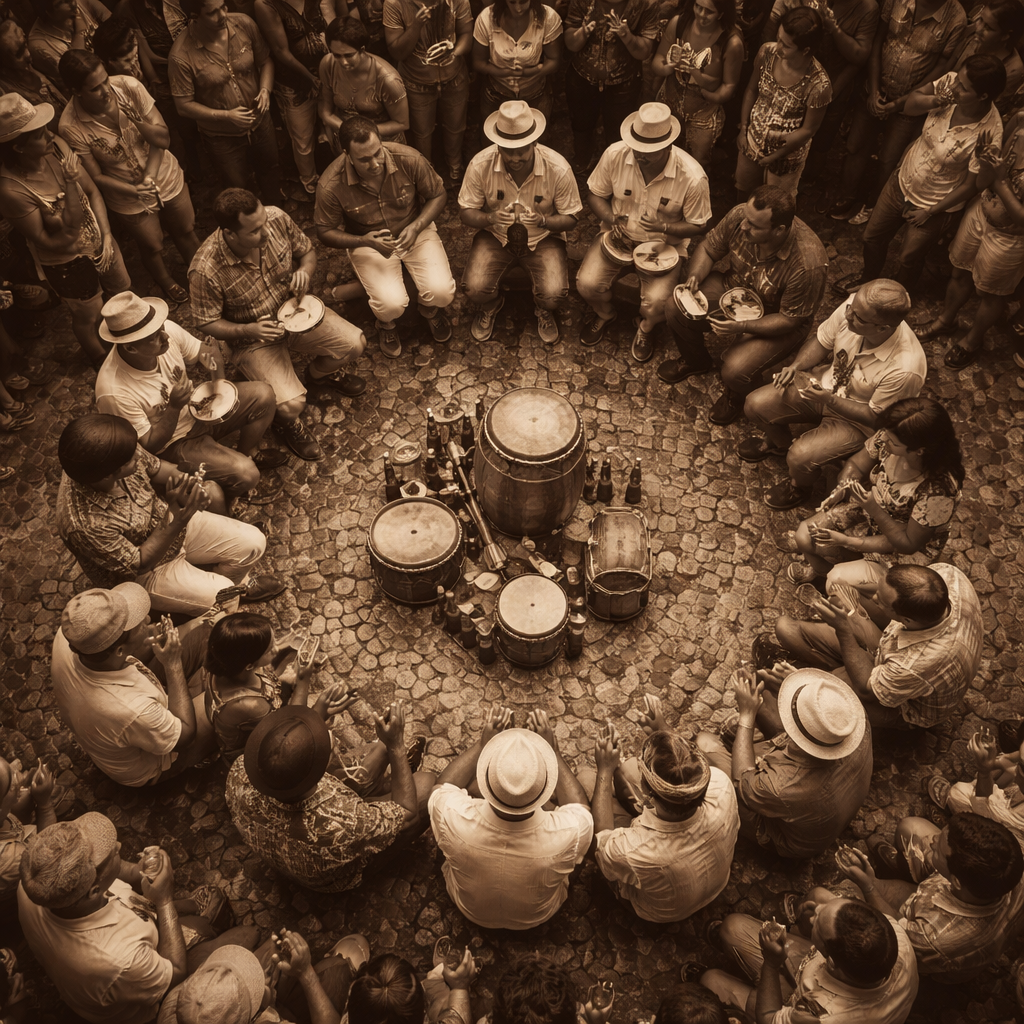
If there is one thing that separates samba from almost every other popular music, it is the roda.
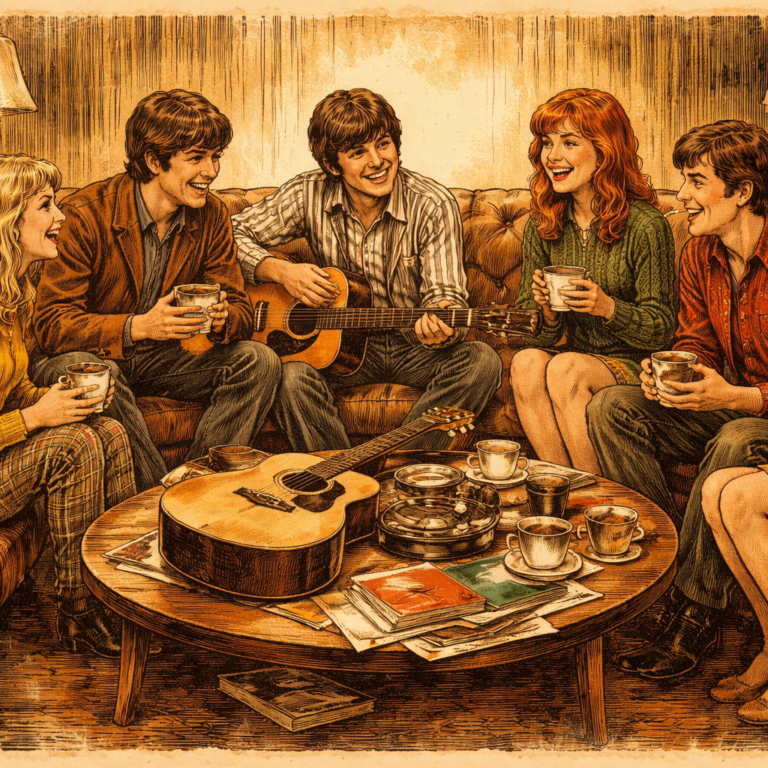
The roda de samba is a circle of musicians and friends, gathered to play, sing, and improvise. It is not a performance staged for an audience. It is a shared ritual — a communal act of creation where everyone participates. And at the heart of this ritual lies a centuries-old tradition: partido alto.
Partido alto is the most sophisticated and challenging form of samba. It is, at its core, an art of improvisation.
The Structure of the Art
Partido alto has a deceptively simple structure.
A group of musicians plays a repeating instrumental refrain — the “chorus” of the song. One singer, the leader, sings a sequence of improvised verses, each one separate, witty, and cutting. When the leader signals, the chorus responds, and a new round of improvisation begins.
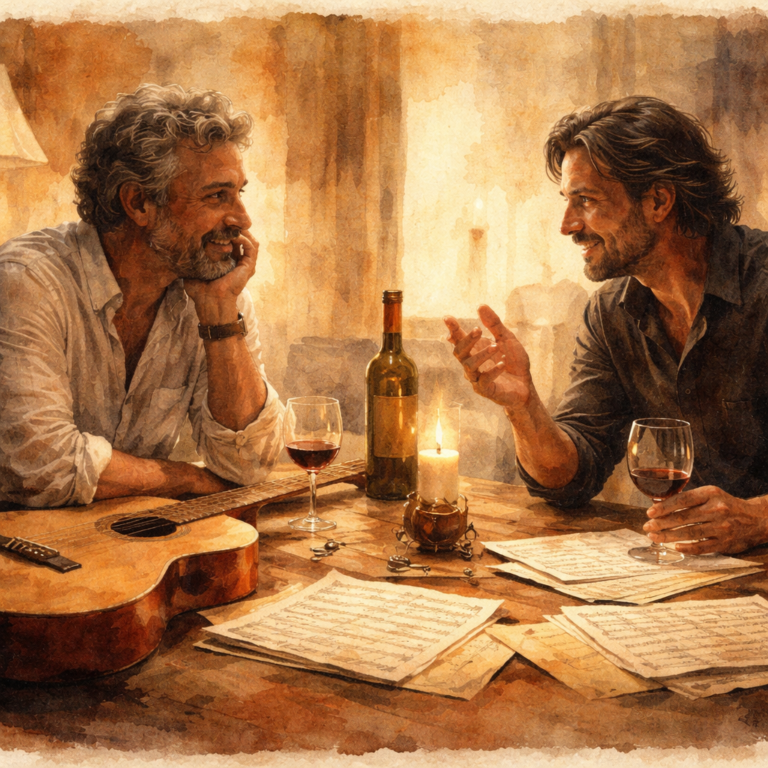
The verses of partido alto are famous for their wordplay, their humor, and their sharp social commentary. They are battles of wit — tests of quick thinking, cultural knowledge, and verbal agility. The ability to improvise a clever, rhyming verse in real time, before an audience of expert listeners, marks a true master of the art.
Masters of the Tradition
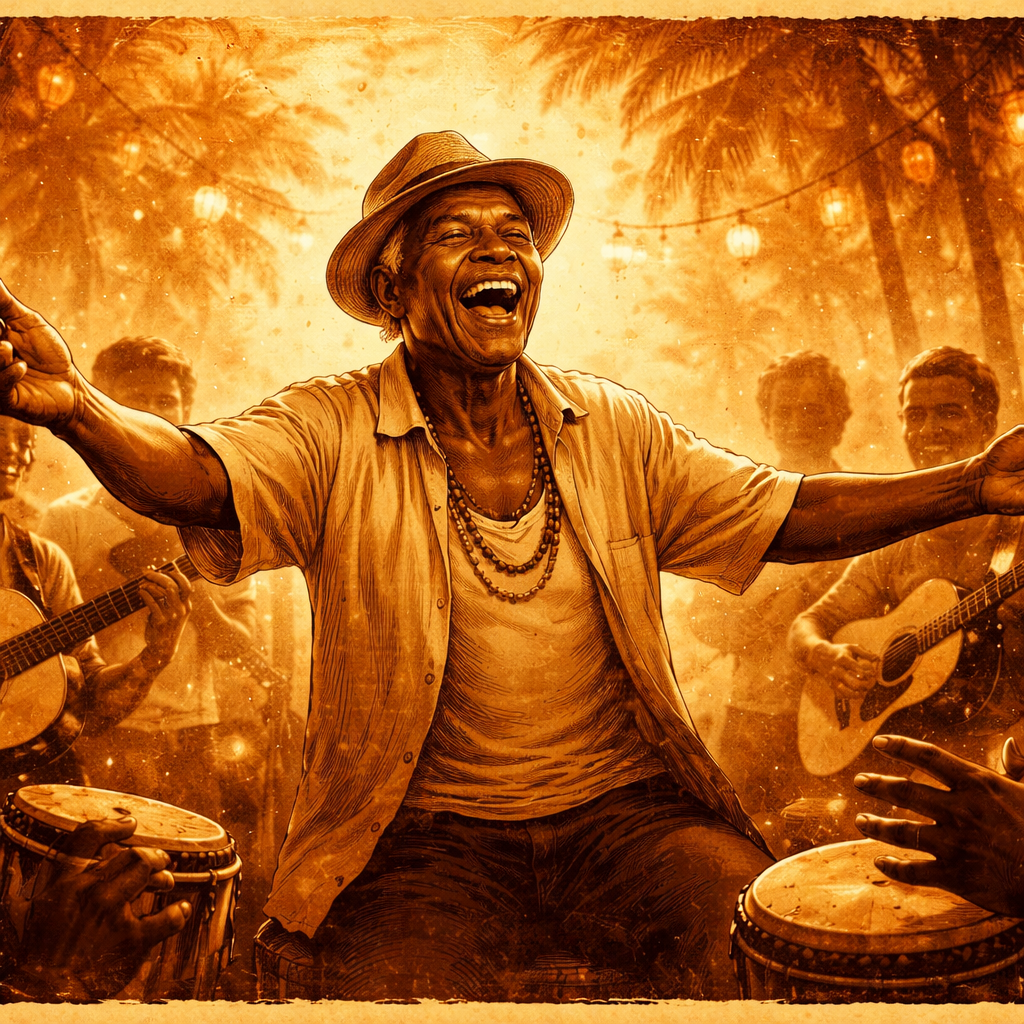
Partido alto has produced some of samba’s greatest artists.
Candeia, a legendary composer and philosopher of samba, was a master of the form. His song “Partido Alto” celebrated the tradition with pride and subtle irony. João da Baiana, one of the pioneers of samba, was famed for his improvisational genius. And modern artists like Zeca Pagodinho have kept the tradition vibrant, infusing their records with the spirit of partido alto.
These masters understood that partido alto is not just about skill. It is about identity. It is a form in which black Brazilian culture asserts its intelligence, its humor, and its sovereignty — on its own terms, in its own language.
Samba de Raiz: The Roots Sound
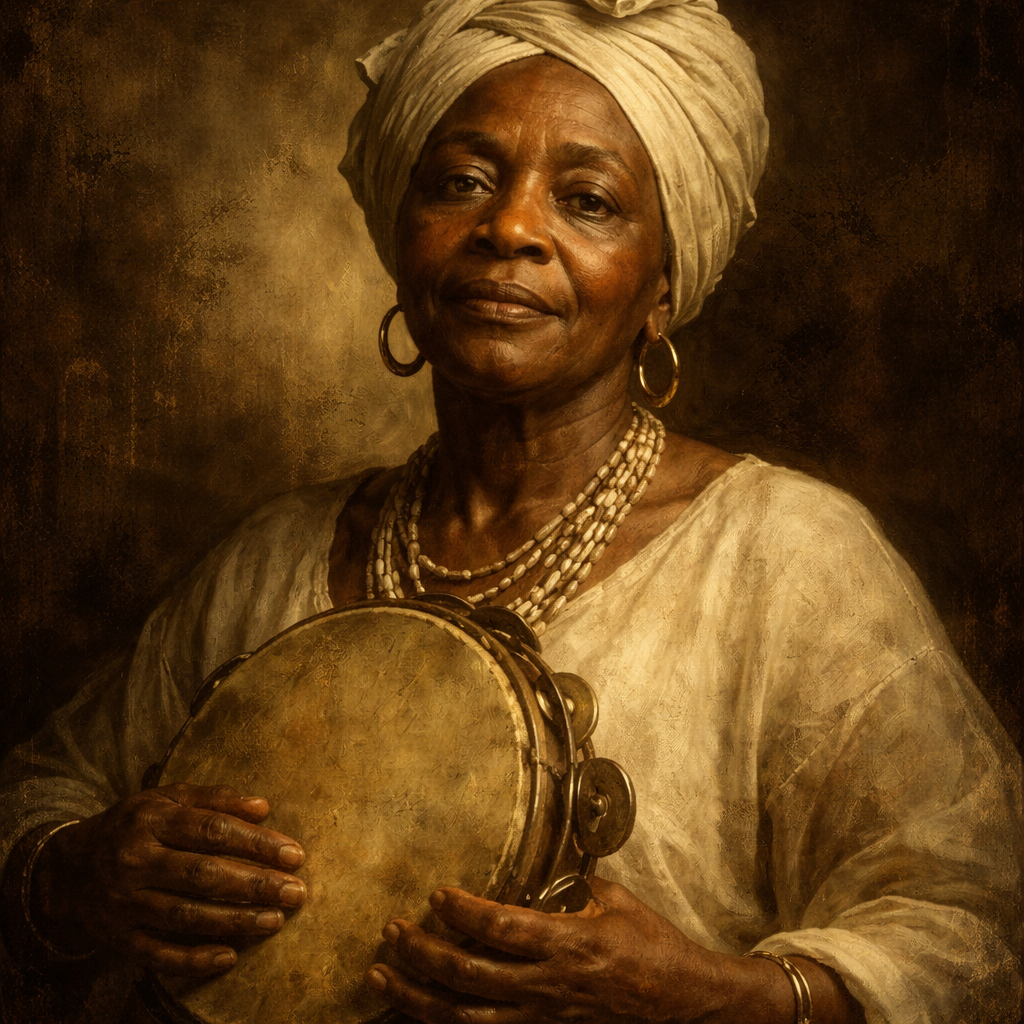
Alongside partido alto, samba de raiz represents the “roots” samba — the pure, unadorned, traditional sound of the genre.
Samba de raiz is characterized by its authenticity: a strong connection to the traditional forms, a focus on the percussion, and a rejection of the more commercial, polished production that samba has sometimes adopted. It values the samba of the morro, the terreiros, and the oldest traditions.
Artists like Candeia, Dona Ivone Lara, Paulinho da Viola, and the group Fundo de Quintal are considered among the most faithful guardians of samba de raiz. Their music honors the past while keeping the tradition alive and evolving.
The Social Role
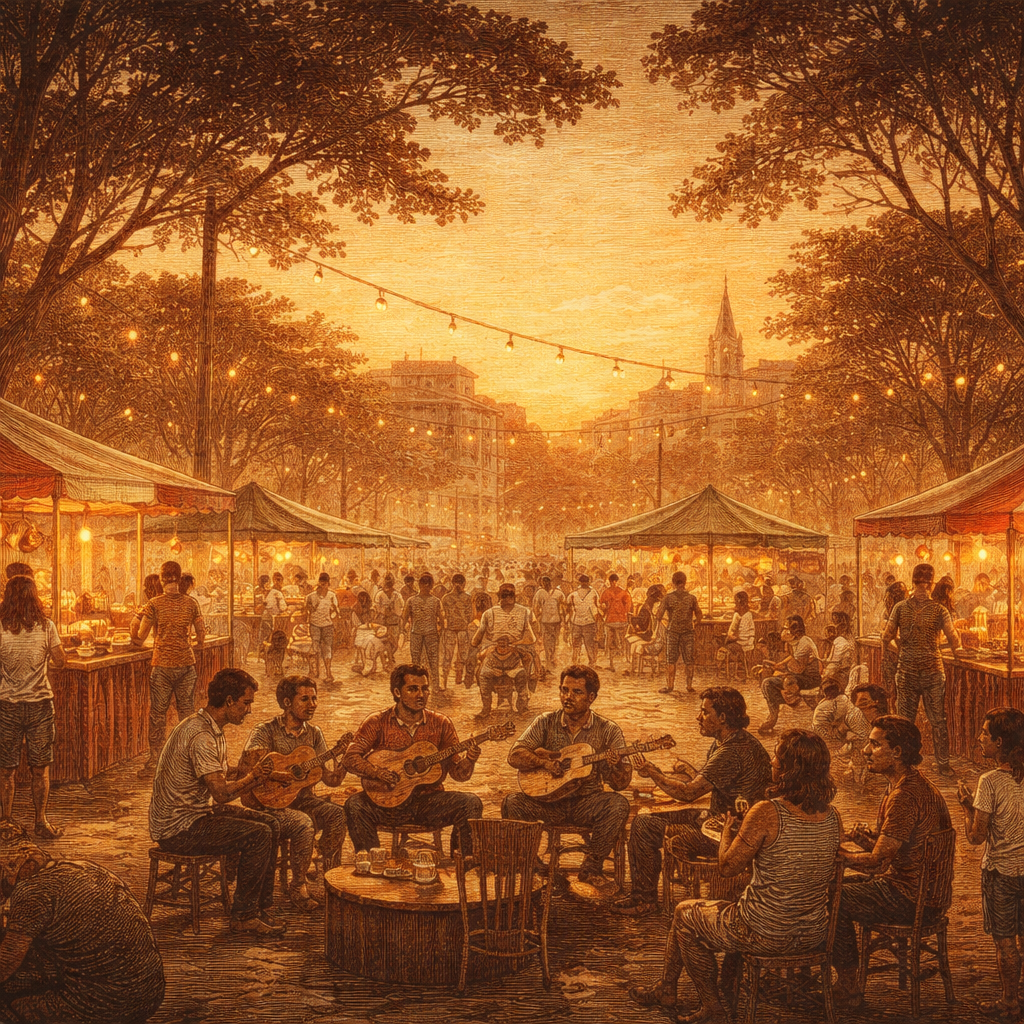
Partido alto and samba de raiz have always served a social function beyond entertainment.
In the communities where samba was born, these musical forms have been vehicles of memory, identity, and resistance. They preserve the history of black Brazil. They create spaces of community and mutual support. They affirm the dignity and creativity of people who were historically marginalized.
The roda de samba is, in this sense, a kind of sanctuary — a place where a community gathers to celebrate its identity and its survival.
A Tradition That Lives
Partido alto and samba de raiz are not museum pieces. They are living traditions.
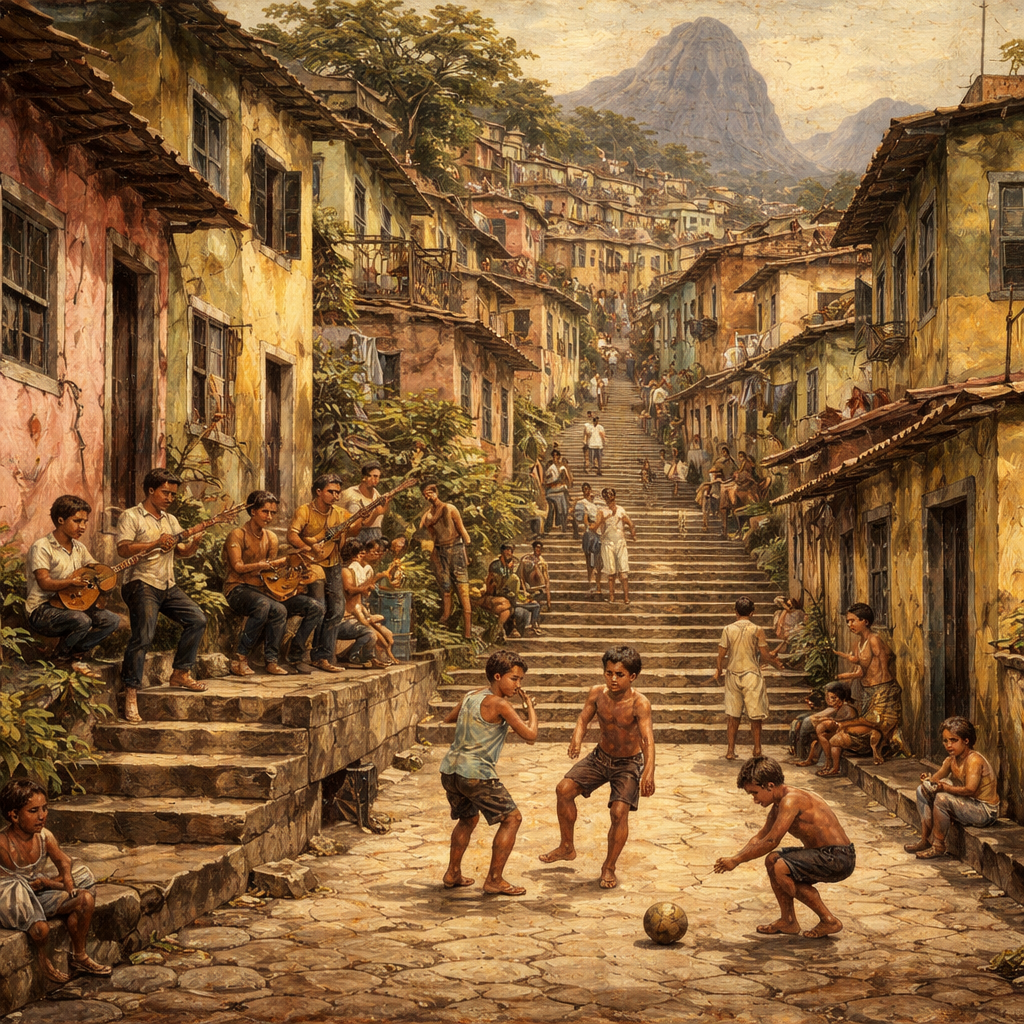
Today, throughout Brazil and in Brazilian communities around the world, rodas de samba continue to gather. Young musicians study the masters and develop their own improvisational voices. The tradition adapts, evolves, and renews itself — while remaining deeply connected to its roots.
The roda is a circle without beginning or end. And as long as the circle turns, the samba lives.
🇧🇷 RESUMO EM PORTUGUÊS (3-4 parágrafos)
Se há uma coisa que separa o samba de quase toda outra música popular, é a roda. A roda de samba é um círculo de músicos e amigos, reunidos para tocar, cantar e improvisar. Não é uma performance encenada para um público — é um ritual compartilhado, um ato comunitário de criação onde todos participam. E no coração desse ritual está uma tradição centenária: o partido alto.
O partido alto é a forma mais sofisticada e desafiadora do samba — essencialmente, uma arte do improviso. Um grupo toca um refrão instrumental repetido, enquanto um cantor-líder improvisa versos espirituosos e cortantes. Quando o líder sinaliza, o coro responde e começa nova rodada. Os versos são famosos pelos trocadilhos, humor e crítica social afiada — batalhas de inteligência que testam rapidez de raciocínio, conhecimento cultural e agilidade verbal.
O partido alto produziu alguns dos maiores artistas do samba: Candeia, João da Baiana e, modernamente, Zeca Pagodinho. Ao lado dele, o samba de raiz representa o som puro e tradicional do gênero, com forte conexão às formas antigas e valorização da percussão. Artistas como Candeia, Dona Ivone Lara, Paulinho da Viola e o grupo Fundo de Quintal são guardiões dessa tradição.
Partido alto e samba de raiz sempre serviram a uma função social além do entretenimento: preservam a memória do Brasil negro, criam espaços de comunidade e afirmam a dignidade criativa de populações historicamente marginalizadas. Não são peças de museu — são tradições vivas. Hoje, em todo o Brasil e nas comunidades brasileiras no mundo, as rodas de samba continuam se reunindo. Enquanto o círculo girar, o samba vive.