
🌸 Nara Leão: The Muse of Bossa Nova

🌸 Nara Leão: A Musa da Bossa Nova
The young woman whose living room became the cradle of a revolution. A jovem cuja sala de estar se tornou o berço de uma revolução.
The Girl in the Heart of It All
Every revolution has its quiet architects — the ones who gather the geniuses, open the doors, and create the space where magic can happen. In bossa nova, that quiet architect was Nara Leão.
Born in Vitória in 1942 and raised in Rio de Janeiro, Nara was barely out of her teens when she found herself at the very center of a cultural revolution. She was not just a witness to the birth of bossa nova — she was its heart, its muse, and the keeper of its flame.
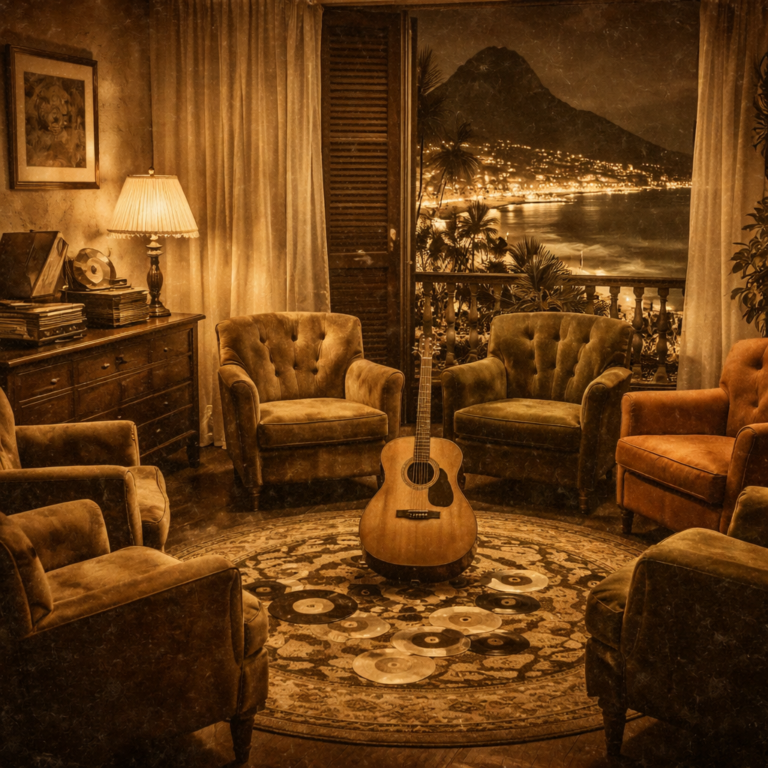
Her apartment in Copacabana became the most important living room in the history of Brazilian music.
The Living Room That Changed Everything
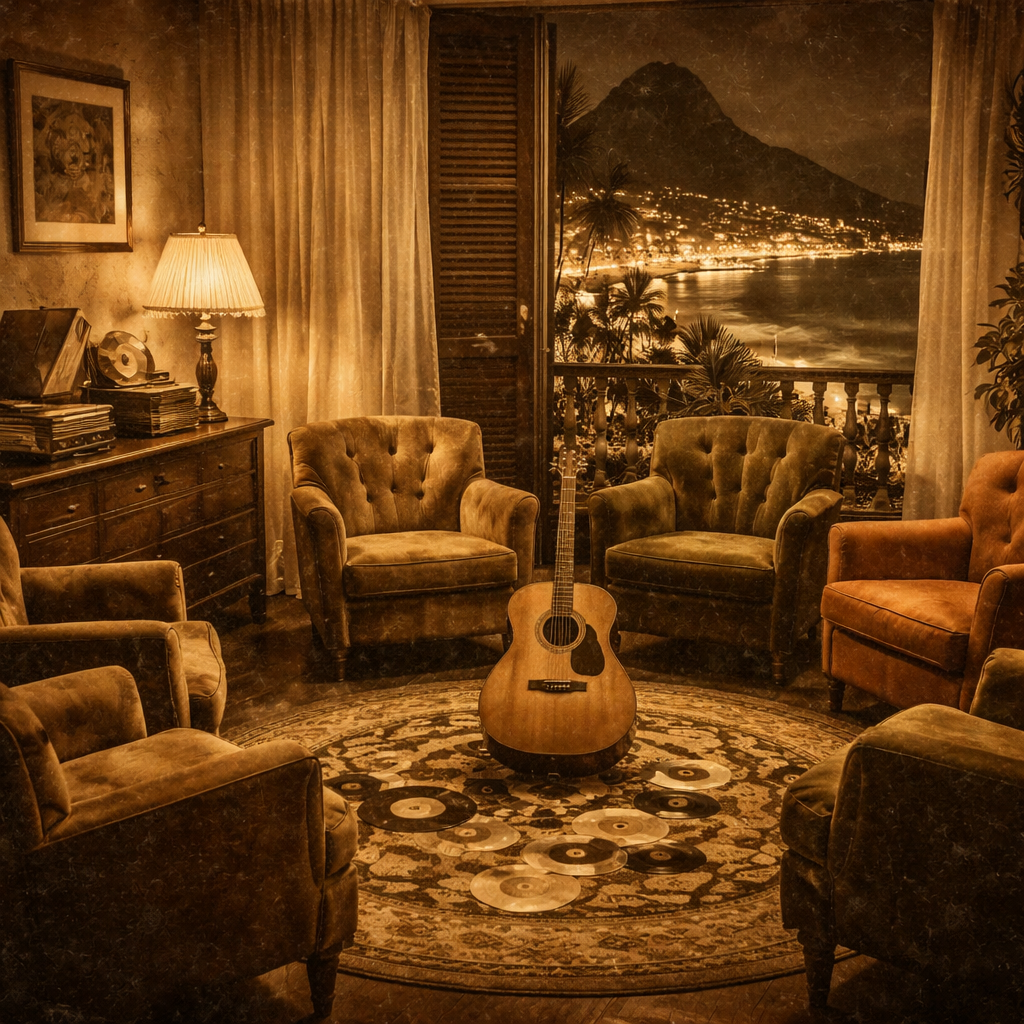
In the mid-1950s, a young and passionate Nara Leão began hosting intimate musical gatherings in her family’s apartment in Copacabana.
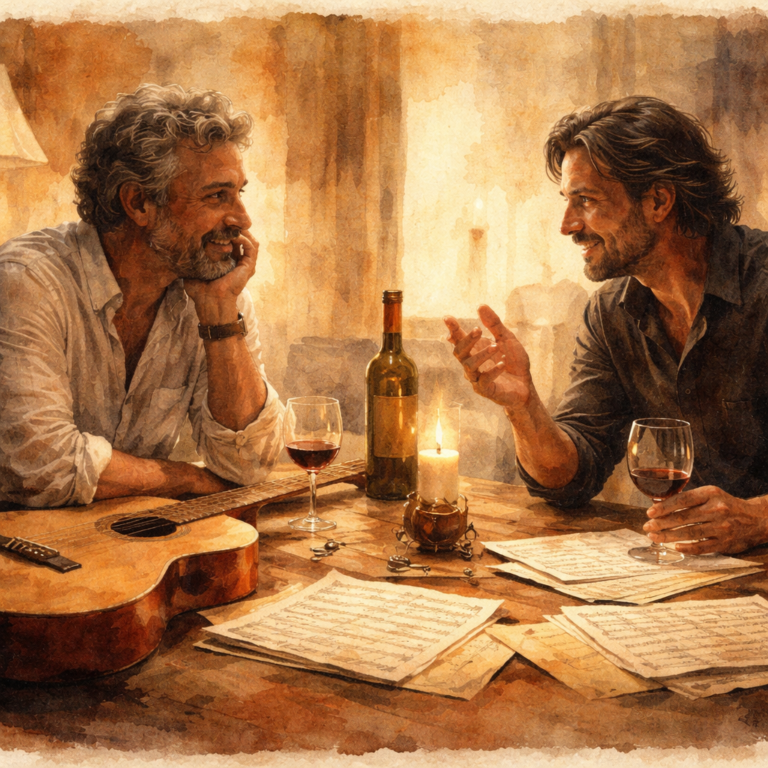
These were not formal concerts. They were warm, spontaneous evenings where the era’s most gifted young musicians would gather around the guitar, sharing chords, ideas, and dreams well into the night. It was here that many of the ideas that became bossa nova were born, tested, and perfected.
Among the regulars were the very architects of the movement — figures who would go on to define Brazilian music. Nara’s living room was the cradle, the sacred space where a new Brazilian sound was composed, one quiet chord at a time.
The Voice of the Movement
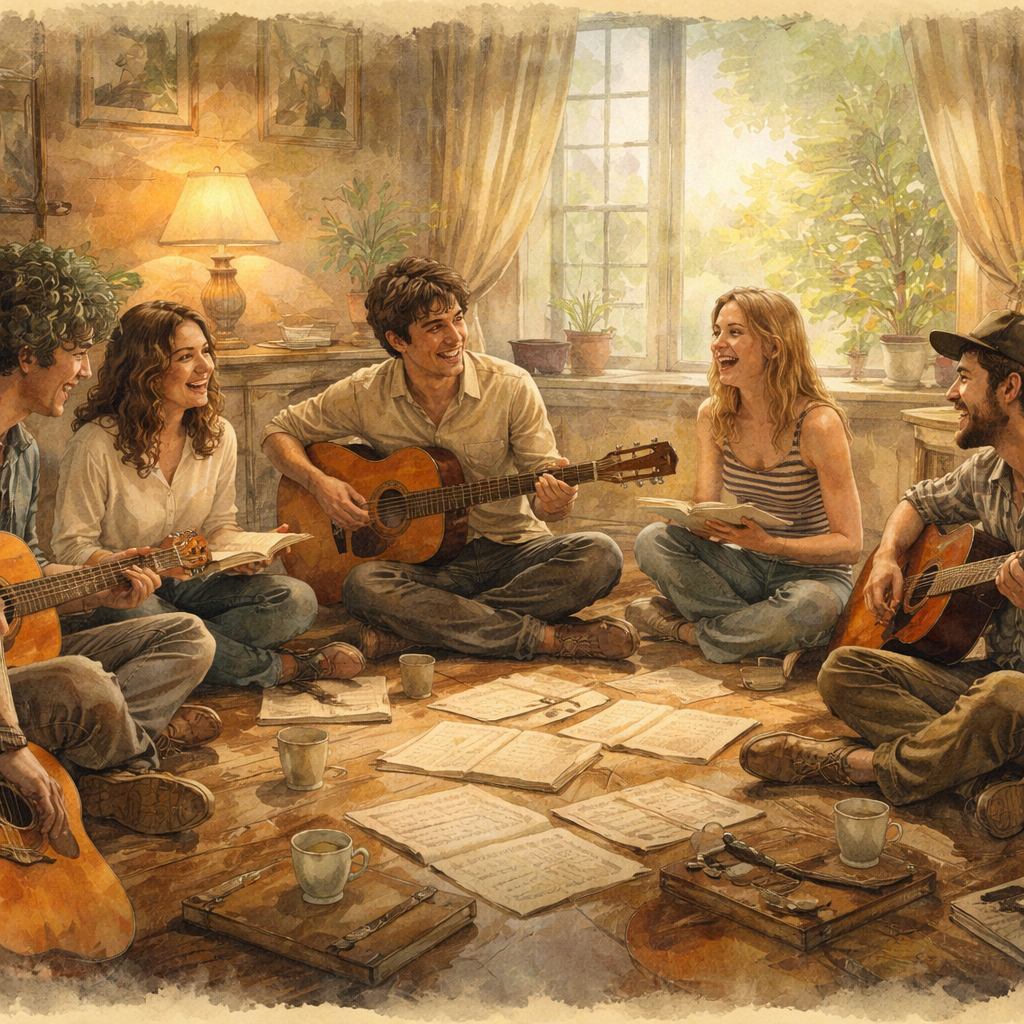
Nara was not only a hostess. She had a voice — gentle, clear, and intimate — that perfectly embodied the bossa nova spirit.
In 1964, she released her debut album, which featured some of the most important songs of the movement. Her interpretations were celebrated for their purity and their emotional honesty. She approached the music not with grand theatricality, but with a natural, understated elegance that was unmistakably bossa nova.
She would go on to explore other Brazilian styles — including samba and protest music — showing a versatility and artistic courage that deepened her legacy. But she always carried the bossa spirit with her.
The Elegant Revolutionary
Nara Leão embodied a particular kind of Brazilian elegance.
She was beautiful, intelligent, and passionate — a symbol of the modern Brazilian woman of her era. She used her voice not only for music but for conviction, taking part in the politically engaged music that followed bossa nova in the 1960s.
She proved that the naturalness and sophistication of bossa nova could coexist with social conscience — that a Brazilian artist could be both delicate and strong.
A Life Shared With Music
Nara Leão was married to the artist Carlos Diegues, one of the great figures of Brazilian cinema, and their home continued the tradition of gathering artists, musicians, and thinkers.
Her life was a celebration of Brazilian culture in its many forms — music, film, poetry, and friendship. She remained a beloved and respected figure in the Brazilian artistic world until her passing in 1989, at just 47 years old.
Though her life was cut short, her impact was enormous.
The Cradle That Lives On
Nara Leão’s great gift to bossa nova — and to Brazil — was the space she created.
Her living room did not just host a party. It hosted the birth of a movement that would conquer the world. Every chord that was first played there, every idea that was first shared there, carried the promise of something beautiful.
That living room was the cradle of a revolution. And its keeper will always be remembered as the muse of bossa nova.
A Quiet Pride
When we think of the great names of bossa nova — João, Tom, Vinícius — we sometimes forget the quiet figures who made it all possible. Nara Leão was one of them.
She opened her home, her heart, and her voice to a dream. And that dream became one of Brazil’s greatest gifts to humanity.
For that, she holds a special place in the story of Brazilian music — a muse, a hostess, a voice, and a keeper of dreams. Her legacy is the living room where Brazil found its most beautiful sound.
This is the fifth post in our series celebrating the icons of Brazilian music. Next, we meet the ambassador who took bossa nova to the global pop stage: Sérgio Mendes.

🇧🇷 RESUMO EM PORTUGUÊS (3-4 parágrafos)
Nara Leão, nascida em Vitória em 1942 e criada no Rio de Janeiro, foi a quieta arquiteta da bossa nova — a jovem cuja sala de estar se tornou o berço de uma revolução. No início dos anos 1950, ainda adolescente, começou a reunir em seu apartamento em Copacabana os mais talentosos jovens músicos da época. Esses encontros íntimos e espontâneos, regados a violão e sonhos, foram o espaço sagrado onde muitas das ideias que viraram bossa nova nasceram e foram aperfeiçoadas.
Nara não era apenas anfitriã — tinha uma voz gentil, clara e íntima que encarnava perfeitamente o espírito do gênero. Seu disco de estreia, em 1964, trouxe algumas das canções mais importantes do movimento, marcadas por pureza e honestidade emocional. Depois, explorou o samba e a música de protesto dos anos 1960, provando que a elegância da bossa podia caminhar com a consciência social.
Casada com o cineasta Carlos Diegues, sua casa continuou sendo ponto de encontro de artistas e pensadores. Faleceu em 1989, aos 47 anos, mas seu legado é enorme: sua sala de estar foi o berço de um movimento que conquistou o mundo. Ao lembrarmos dos grandes nomes da bossa — João, Tom, Vinícius — não podemos esquecer a musa que abriu seu lar e seu coração para o sonho que se tornou uma das maiores dádivas do Brasil à humanidade.