🌍 Bossa Nova: O Som que Conquistou o Mundo
A journey through the birth, the golden places, and the timeless icons of Brazil’s most sophisticated musical export. Uma viagem pelo nascimento, pelos lugares dourados e pelos ícones eternos do mais sofisticado patrimônio musical brasileiro.
The Sound of a New Brazil
Every once in a lifetime, a country invents a sound so pure that the world stops to listen. Brazil did it more than once — but few moments were as magical as the birth of bossa nova in the late 1950s.
Bossa nova was never just a genre. It was Brazil speaking softly to the world — and the world leaning in to listen. With its gentle guitar, its whispered vocals, and harmonies that felt like a warm breeze off the Atlantic, bossa nova carried the sophistication of a nation that was modern, elegant, and deeply romantic.
It was the sound of a country that knew exactly what it had created — and that confidence, that quiet pride, is exactly what the world fell in love with.
The Historical Context: A Golden Decade

To understand bossa nova, you must understand Rio de Janeiro in the late 1950s. It was a time of optimism, of hope, of a Brazil looking toward the future with a cocktail in hand and the beach in sight.
The genre emerged from the meeting of two worlds:
- The samba, the rhythmic heart of Brazil, rich with African heritage;
- The jazz harmonics arriving from North America, full of dissonance and sophistication.
Out of this meeting came something entirely new — a “samba with a new feel,” played quietly, intimately, as if meant for a small room with the windows open to the sea.
The artists themselves were mostly middle-class university students and musicians from the Zona Sul — the glamorous southern zone of Rio. They were young, gifted, and convinced that Brazil could create something the world had never heard.
And they were right.
The Sacred Places of Bossa Nova

Every great sound needs a home. Bossa nova found its heart in a handful of legendary places that still carry its soul today:
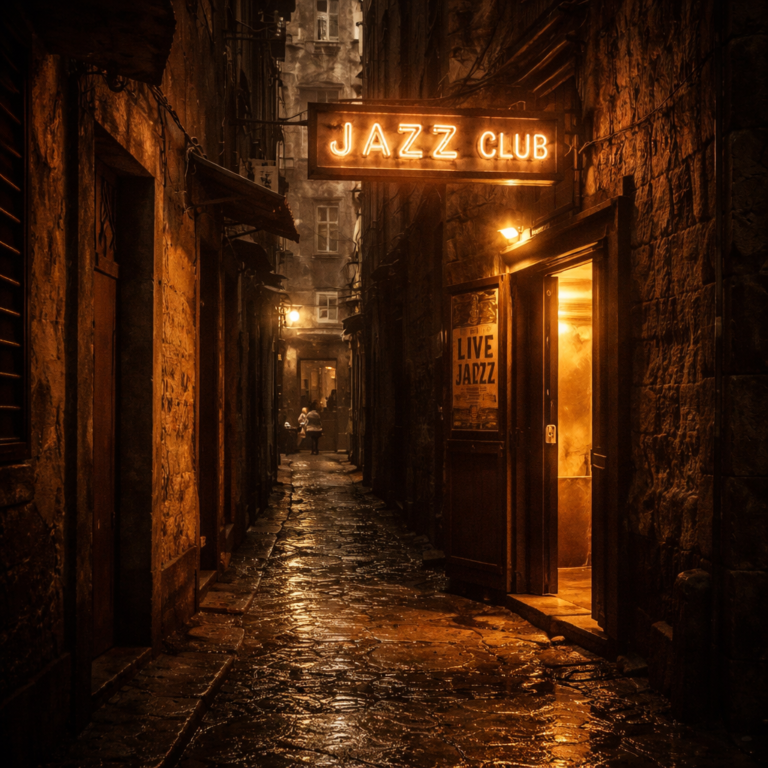
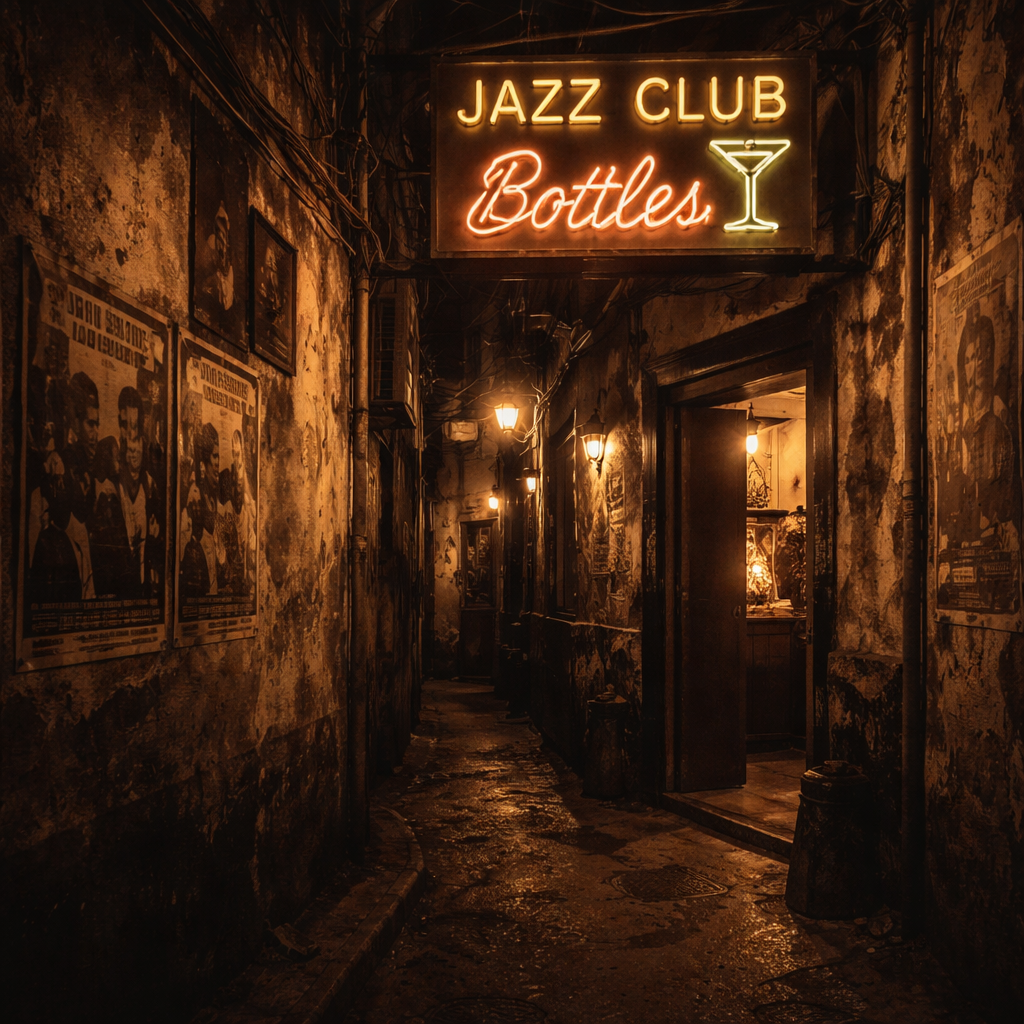
🏙️ Beco das Garrafas — the “Bottle Alley” Located in Copacabana, this narrow alley was where the “Bossa Nova Generation” gathered in smoky clubs like Bottle’s and Little Club. The name came from the bottles locals threw at the noisy musicians — but the music triumphed, and the alley became hallowed ground for Brazilian jazz.
🏖️ Copacabana and Ipanema The beaches themselves were protagonists. Ipanema, in particular, inspired the most famous song in Brazilian history — more on that shortly. The daily rhythm of the beaches — the waves, the sun, the beautiful people — fed directly into the music’s gentle pulse.
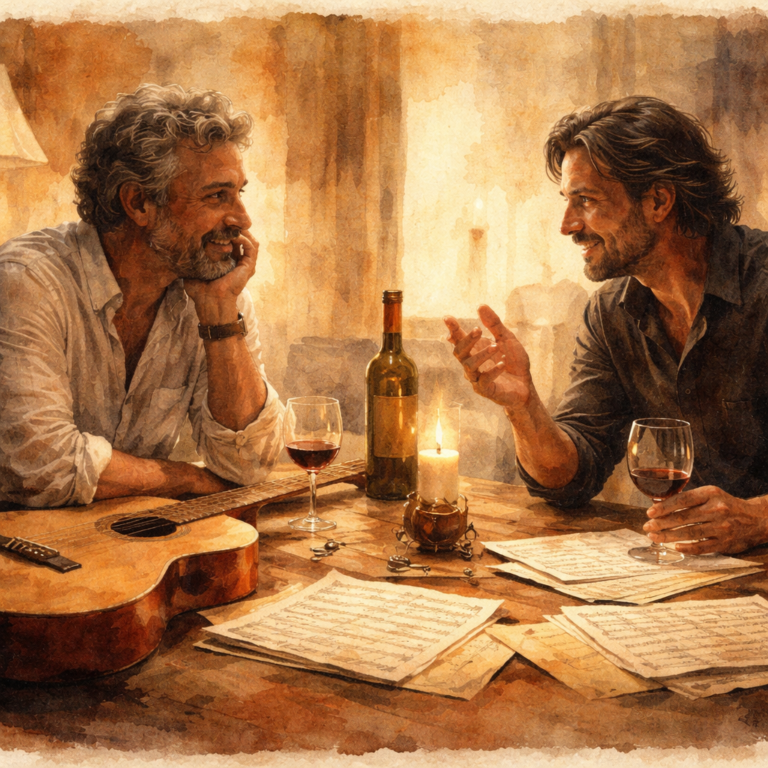
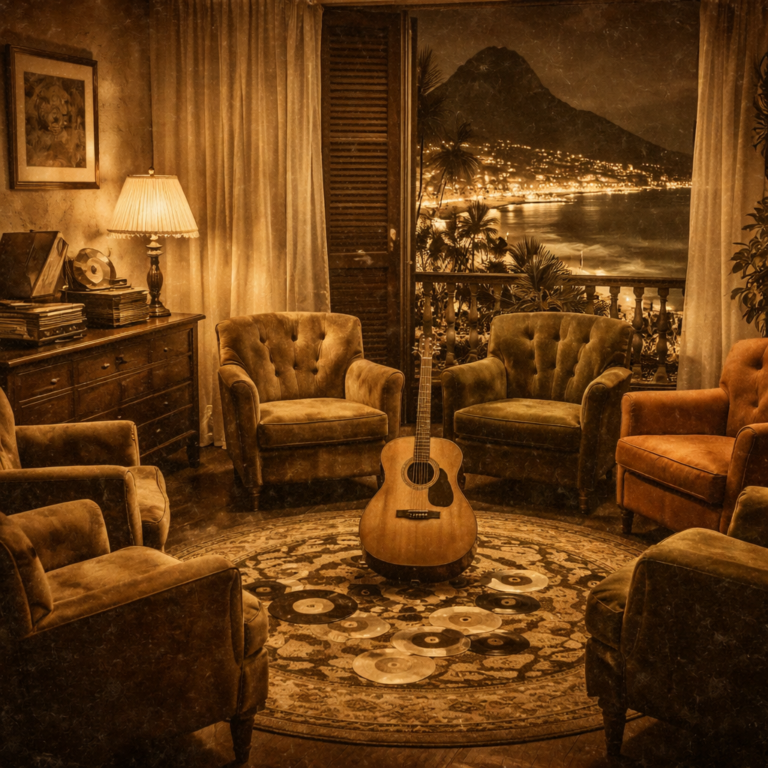
🏠 The apartment of Nara Leão Before concerts and stadiums, bossa nova happened in living rooms. Nara Leão’s apartment in Copacabana became a legendary gathering spot where young musicians would play for hours, shaping the sound over coffee and passion.
🎹 Bar Veloso (later renamed “Little Club”) Another Copacabana institution where the genre matured, hosted jam sessions that became the stuff of legend.
These were not just venues — they were temples where a new Brazilian identity was being composed, one chord at a time.
The Music That Defined an Era
Bossa nova gifted the world anthems that still echo across generations:
- “Chega de Saudade” (1958) — widely considered the birth certificate of bossa nova, performed by João Gilberto;
- “Desafinado” — a gorgeous, playful response to critics who said the bossa nova singers were “off-key”;
- “Corcovado” (Quiet Nights of Quiet Stars) — pure poetic tranquility;
- “Garota de Ipanema” — the second most recorded song in the world, after “Yesterday,” written about a young woman who walked past the bar Veloso to the beach;
- “Samba de Uma Nota Só” — a masterclass in minimalist elegance.
These songs are not just music — they are postcards of a Brazil that the world learned to love.

The Icons Who Built It
Behind this revolution stood a constellation of geniuses — figures we will explore individually throughout this series:
- João Gilberto — the revolutionary guitarist who invented the “bossa nova beat” and whispered his way into history;
- Tom Jobim — the maestro of melody and harmony, the lyrical heart of the genre;
- Vinícius de Moraes — the poet whose words elevated Brazilian music to literature;
- Astrud Gilberto — the voice that introduced bossa nova to the United States;
- Nara Leão — the “muse of bossa nova,” host of the genre’s most important gatherings;
- Sérgio Mendes — the ambassador who fused bossa nova with international pop.
Each of these names deserves its own spotlight — and in this series, they will receive it.
The World Listens In

Bossa nova did not stay in Rio for long. In the early 1960s, it crossed the ocean:
- The United States embraced it through the famous 1962 concert at Carnegie Hall in New York and through Astrud Gilberto’s soft, accented vocals on “The Girl from Ipanema;”
- Europe fell in love with its sophistication, making it the soundtrack of elegant evenings;
- Japan, surprisingly, became one of its most passionate homes — a love affair that continues today.
The rest of the world did not just listen to bossa nova — it adopted it. And that is perhaps the greatest proof of what Brazil had created: a music so universal in its beauty that it needed no translation.
A Quiet Pride
As Brazilians, we grew up with this music in our veins — sometimes not fully realizing how extraordinary it is. But when we watch a Japanese musician play “Corcovado” with tears in his eyes, or an American singer perform “Chega de Saudade” with perfect Portuguese, something awakens in us.
It is a quiet, warm pride. The pride of knowing that we created something the world loves — not through force, but through beauty.
Bossa nova taught the world a Brazilian truth: that elegance, tenderness, and a delicate samba rhythm can be the most powerful language of all.
This is the first post of our series on Brazilian popular music. Join us as we dive into the lives of the icons who made it possible.
🇧🇷 RESUMO EM PORTUGUÊS (3-4 parágrafos)
A bossa nova foi muito mais do que um gênero musical: foi o Brasil falando suavemente ao mundo — e o mundo se inclinando para escutar. Nascida no Rio de Janeiro do final dos anos 1950, ela uniu a riqueza rítmica do samba às harmonias sofisticadas do jazz norte-americano, criando um som íntimo, elegante e profundamente brasileiro. Foi o retrato de um país moderno, otimista e cheio de charme, que soube transformar a Zona Sul carioca — suas praias, seus bares e suas salas de estar — no berço de uma revolução musical.
Os lugares sagrados dessa história ganharam status de templo: o Beco das Garrafas em Copacabana, as areias de Ipanema, o apartamento de Nara Leão e o mítico Bar Veloso foram o cenário onde esse novo som amadureceu. Canções como “Chega de Saudade”, “Desafinado” e a eterna “Garota de Ipanema” eternizaram a bossa nova e a levaram para os Estados Unidos, a Europa e até o Japão, que se tornaria um de seus mais apaixonados lares.
No fundo, a bossa nova carrega um orgulho tranquilo: a certeza de que criamos algo que o mundo ama — não pela força, mas pela beleza. Que tantas culturas adotem esse som como seu é a maior prova do que o Brasil foi capaz de inventar. Este é o primeiro post da nossa série sobre a música popular brasileira.