🏙️ The Sacred Places of Bossa Nova
🏙️ Os Lugares Sagrados da Bossa Nova
Where the sound was born, the temples where a Brazilian revolution was composed. Onde o som nasceu, os templos onde uma revolução brasileira foi composta.
A Sound Needs a Home
Every great movement in music has its geography. Liverpool gave the world the Beatles; Memphis gave us the blues; and Rio de Janeiro — specifically, the Zona Sul — gave the world bossa nova.
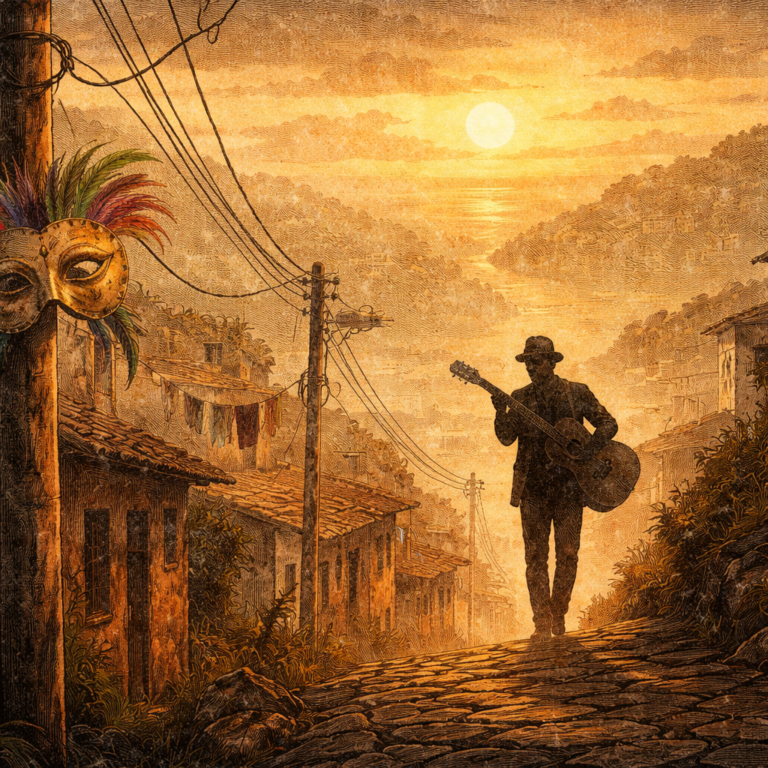
But bossa nova was not born in a stadium or a recording studio. It was born in living rooms, narrow alleys, beachside bars, and intimate apartments — small, warm places where a handful of young Brazilians changed music forever.
These places are not just historical curiosities. They are sacred ground — temples where a new Brazilian identity was whispered into existence, one chord at a time.
🏠 The Apartment of Nara Leão: The First Temple
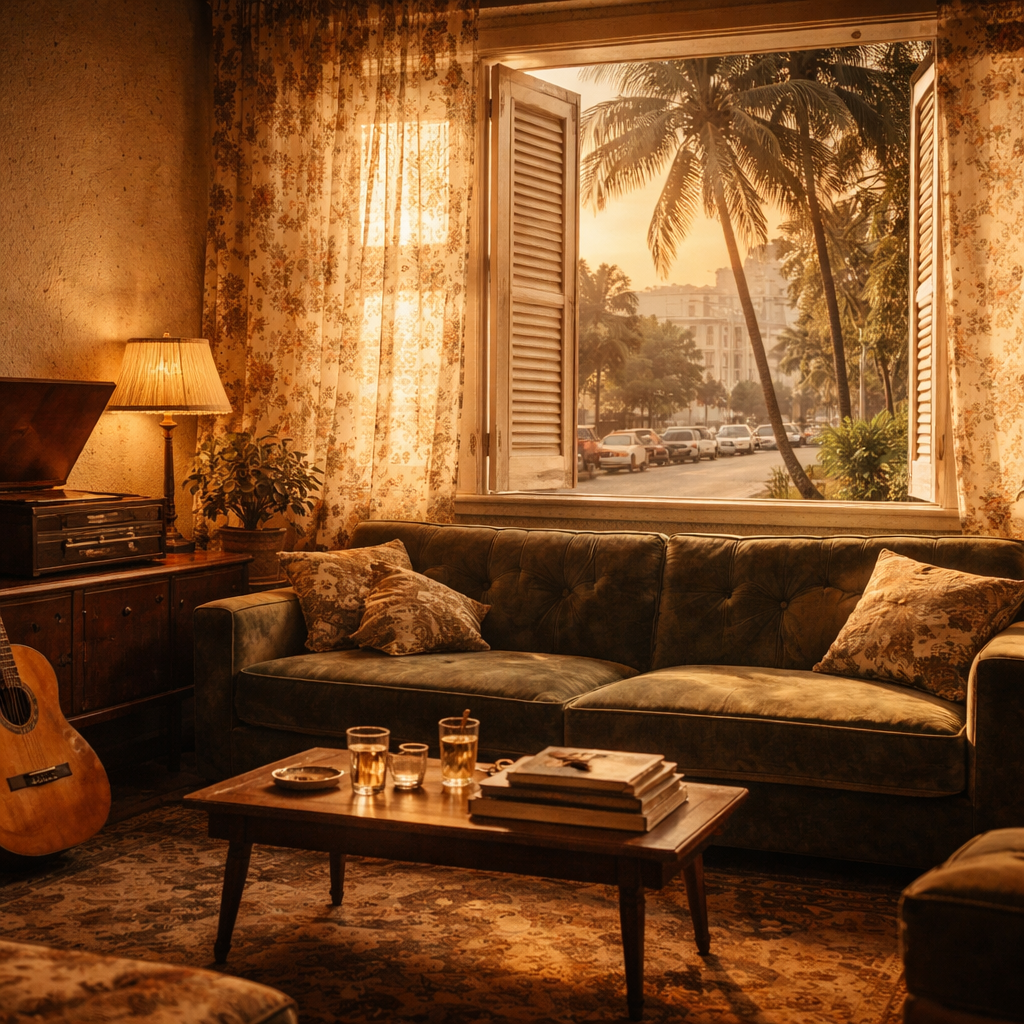
Every sound needs a living room. For bossa nova, that living room belonged to Nara Leão, a young woman from Copacabana with a radical love for music.
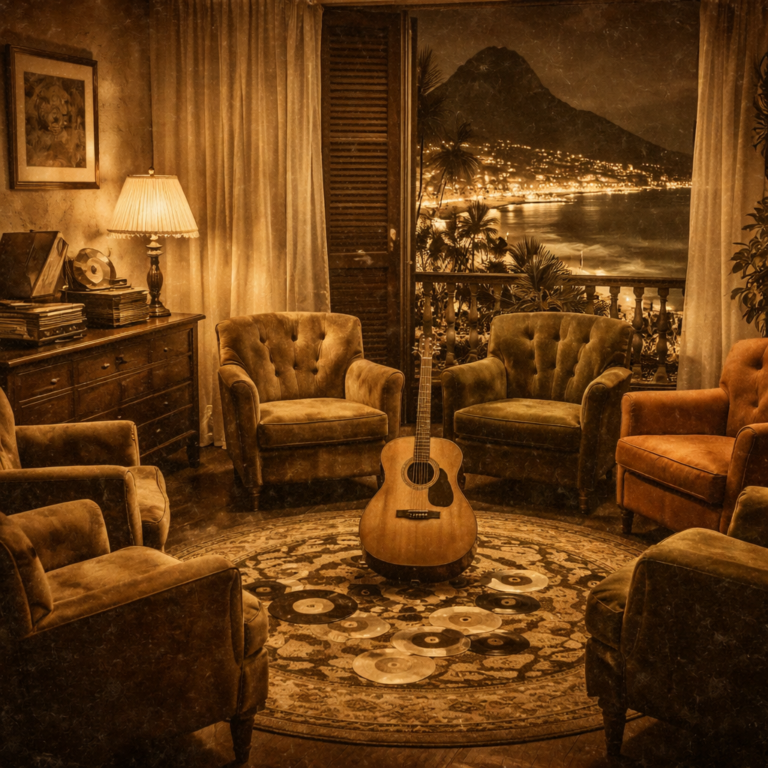
In the mid-1950s, Nara’s apartment in Copacabana became a legendary gathering point. Every evening, the city’s most gifted young musicians would crowd into that small space, playing for hours in a circle — sharing chords, ideas, and dreams.
It was here that many of the ideas that became bossa nova were first tested, refined, and perfected. Before the world ever heard the sound, it was being born in Nara’s living room, over coffee and friendship.
Nara was more than a hostess — she became the genre’s “muse,” the living symbol of the movement’s elegance and youth. Her apartment was the cradle.
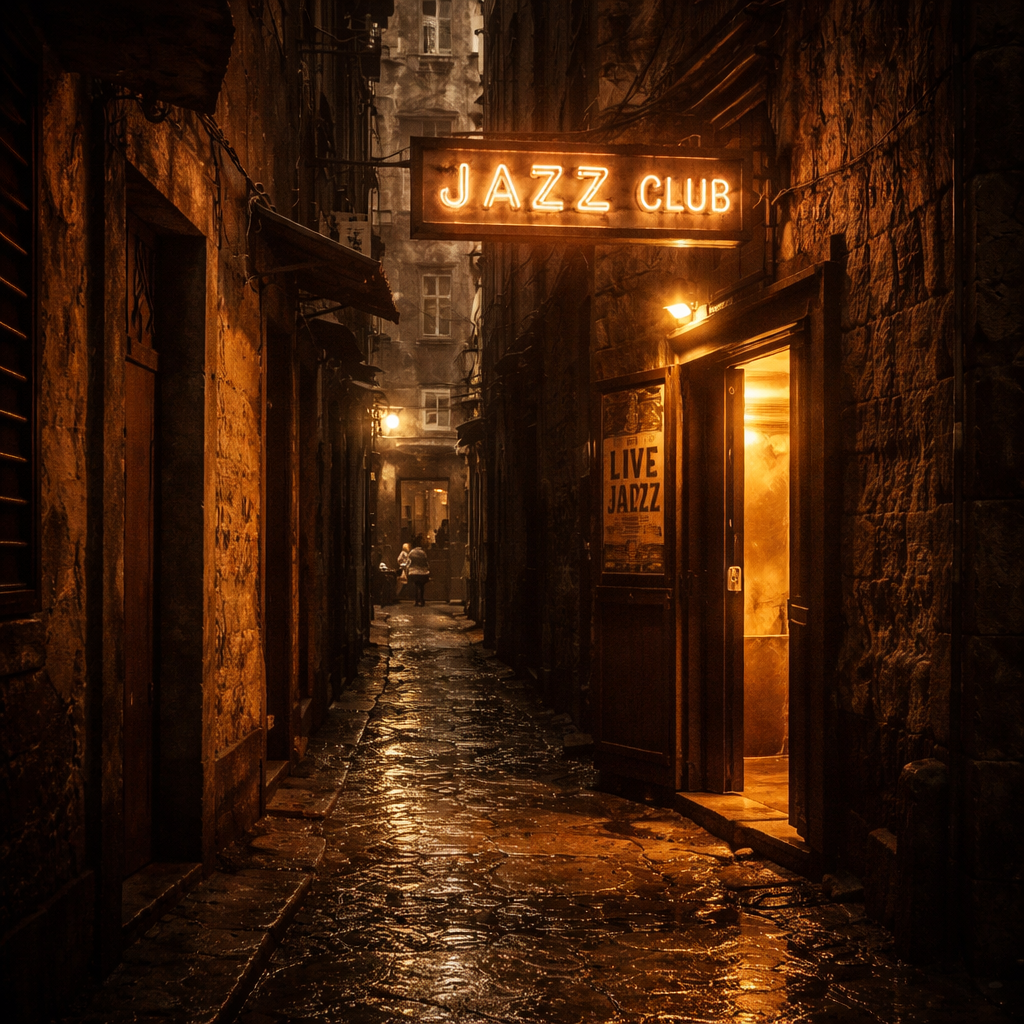
🏙️ Beco das Garrafas: The Alley of Fire
If Nara’s apartment was the cradle, the Beco das Garrafas was the forge.
Located in Copacabana, this narrow, dark alley became the home of the most important bars and clubs of the bossa nova scene — most famously Bottle’s and the Little Club.
The name, “Bottle Alley,” came from neighbors who, annoyed by the late-night noise, would throw empty bottles at the musicians. But the music would not be silenced. On the contrary, the clubs grew legendary, hosting the “Bossa Nova Generation” — instrumentalists and singers who took the gentle style from the living room to the stage.
The Beco became a laboratory of Brazilian jazz, where improvisation met the new bossa sensibility. It was cramped, smoky, and electric — and out of it came some of the most sophisticated music Brazil ever produced.
🎹 Bar Veloso and the Little Club: Where Legends Jammed
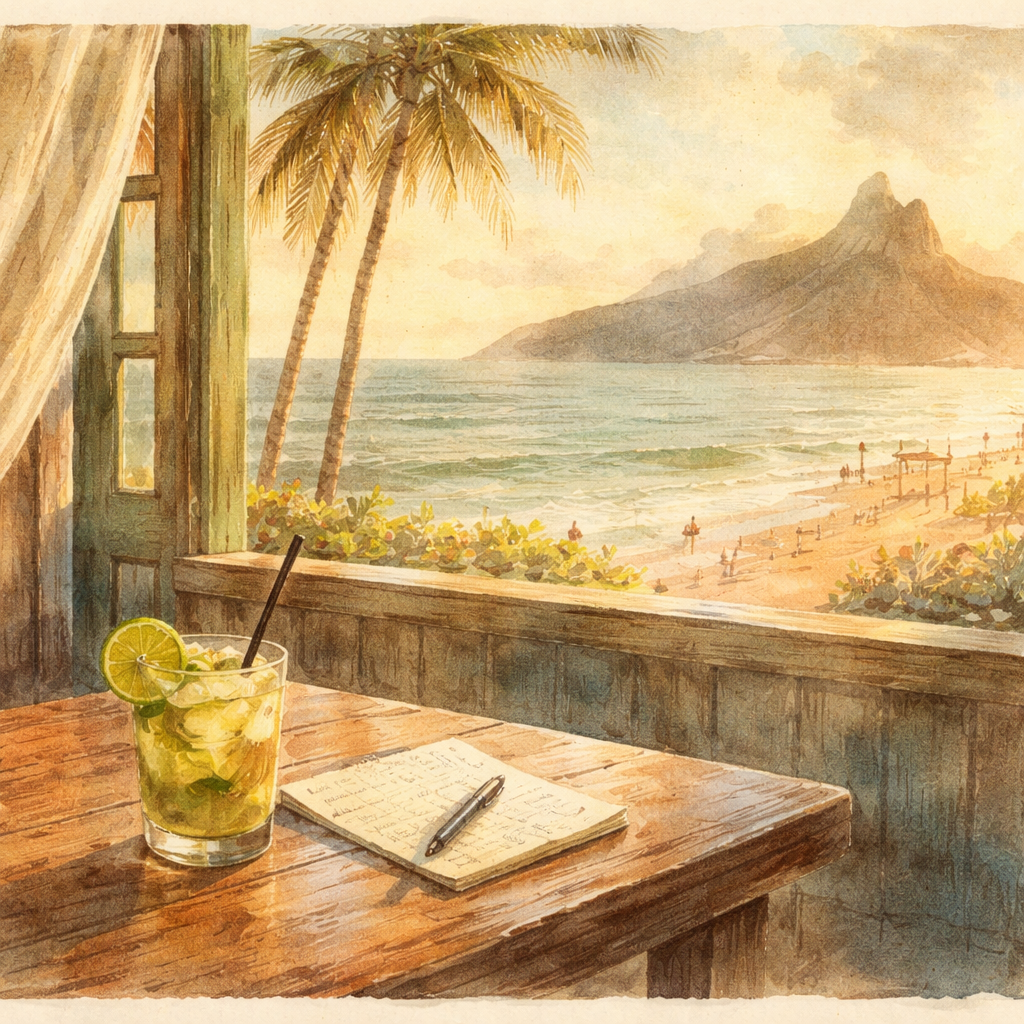
Just steps from the Beco de Garrafas, the Bar Veloso — renamed the Little Club — became another landmark of the movement.
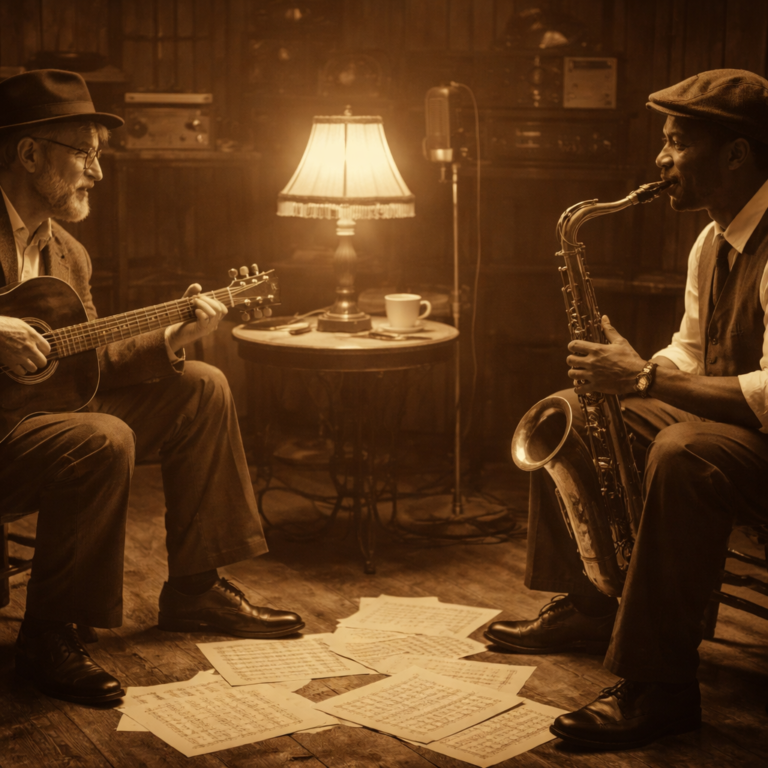
It was here that the future stars of bossa nova gathered for legendary jam sessions, trading solos and testing new compositions well into the night. The table by the window, with its perfect view of Ipanema beach, inspired the most famous song in Brazilian history.
It was also here, famously, that the young woman who would become the subject of “Garota de Ipanema” walked past every day on her way to the beach — a moment of pure, everyday Brazilian beauty that turned into a global anthem.
The Little Club was where music and everyday life in Rio became inseparable. And that was the soul of bossa nova.
🏖️ The Beaches: Ipanema and Copacabana
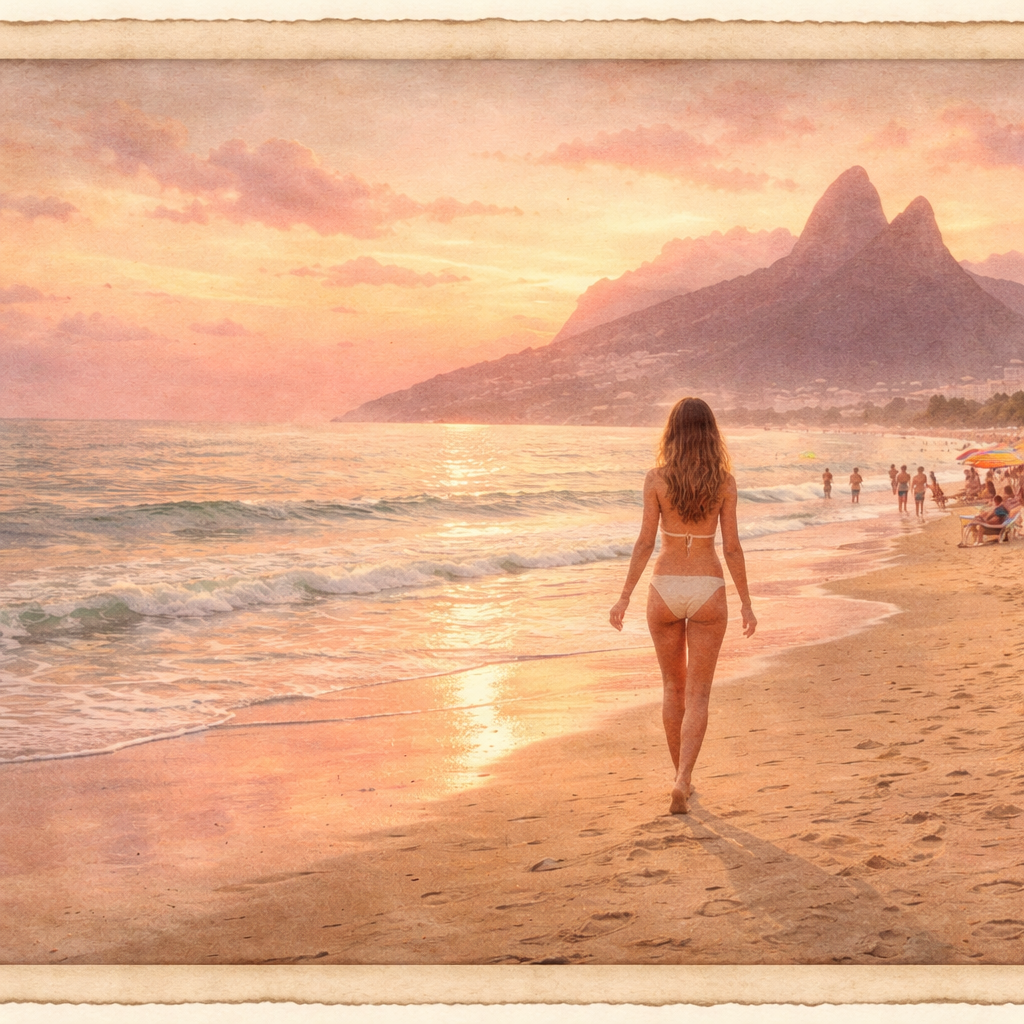
No story of bossa nova is complete without the beaches. Ipanema and Copacabana were not just backdrops — they were co-authors of the sound.
The gentle rhythm of the waves, the warm sun, the beautiful people, the slow pace of carioca life — all of this flowed directly into the music’s pulse. Bossa nova is the sound of Rio’s beaches: calm on the surface, but with a deep, sophisticated undercurrent.
The famous Arpoador rock and the sands of Ipanema became symbols of a Brazilian elegance that the world would learn to love. The beach was not where bossa nova was written down — but it was where it breathed.
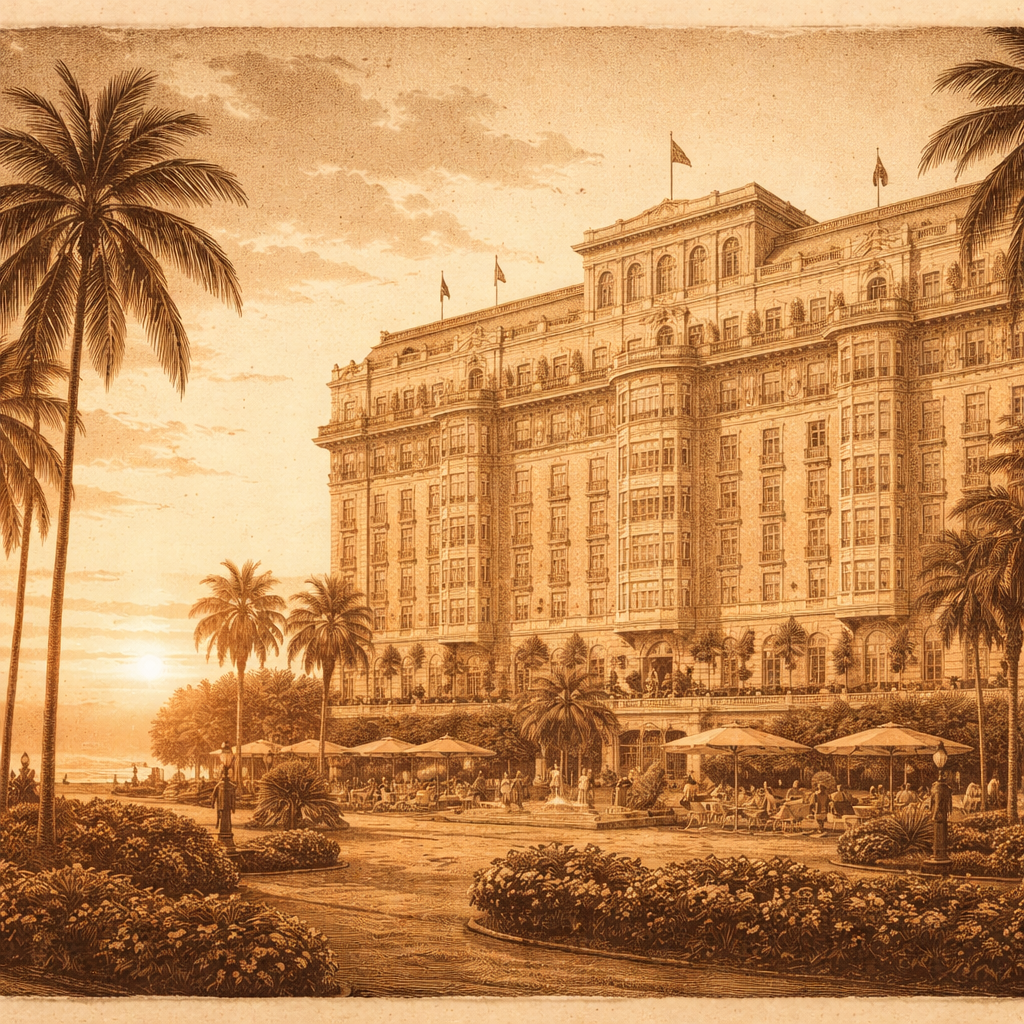
🎹 The Copacabana Palace: The Stage of the World
When bossa nova needed to meet the world, it did so in the grandest style — at the Copacabana Palace, the most iconic hotel in Rio.
Glamorous concerts and events at the hotel introduced the refined sound to international visitors, politicians, and celebrities. It was the moment bossa nova stepped out of the living room and into the spotlight — proving that a genre born in intimacy could shine on the world stage.
The Palace remains a symbol of that transition: from local to global, from intimate to iconic — without ever losing its elegance.
The Spirit Lives On
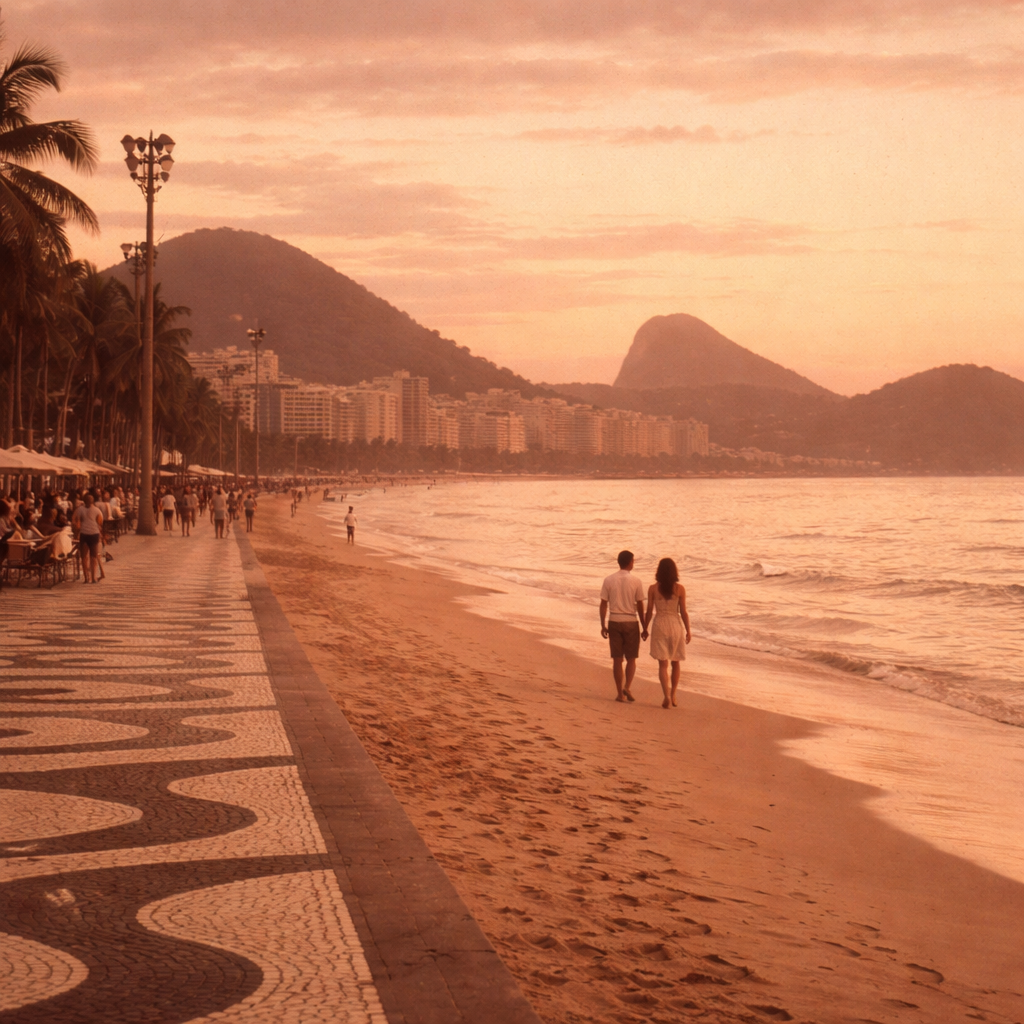
Today, the physical places have changed. Some clubs have closed; the alley looks different. But the spirit of these sacred spaces lives on — in every bar that plays the gentle rhythm, in every beach that inspires a melody, in every living room where a young Brazilian picks up a guitar and tries to find that perfect, quiet chord.
To understand bossa nova, you do not need to visit Rio. But if you do, walk through the Beco das Garrafas, sit by the window of a Copacabana bar, and watch the sun set over Ipanema.
You will feel it. The music is still there, in the air, whispering to those who listen.
🇧🇷 RESUMO EM PORTUGUÊS (3-4 parágrafos)
A bossa nova não nasceu em palcos ou estúdios — nasceu em espaços pequenos e quentes da Zona Sul carioca, que se tornaram verdadeiros templos da música. O apartamento de Nara Leão, em Copacabana, foi o berço do movimento: era ali que os jovens músicos se reuniam todas as noites para tocar e refinar o novo som, antes que o mundo o conhecesse. Nara se tornou a “musa” do gênero, e sua sala de estar, o ponto de partida de uma revolução.
O Beco das Garrafas, também em Copacabana, foi a forja: um beco estreito e escuro onde ficavam os clubes Bottle’s e o Little Club, que receberam a “Geração Bossa Nova” e se tornaram laboratórios do jazz brasileiro. O nome vem das garrafas atiradas pelos vizinhos incomodados com o barulho — mas a música venceu e eternizou o lugar. Ao lado, o Bar Veloso sediou jam sessions lendárias e inspirou a mais famosa canção do Brasil.
As praias de Ipanema e Copacabana foram coautoras do som — sua calma e elegância entraram no ritmo da bossa nova. E o Copacabana Palace marcou a transição do gênero para o mundo, apresentando-o ao cenário internacional. Esses lugares não são relíquias: sua alma permanece viva em cada bar, em cada praia e em cada sala onde alguém ainda tenta encontrar aquele acorde perfeito e silencioso.