🌍 Zeca Pagodinho: The Heart of the People
🌍 Zeca Pagodinho: O coração do povo

The boy from Irajá who turned everyday life, bar tables, and true friendship into the most beloved samba of modern Brazil. O menino de Irajá que transformou o cotidiano, as mesas de bar e a amizade verdadeira no samba mais amado do Brasil moderno.
A Boy From the Suburb
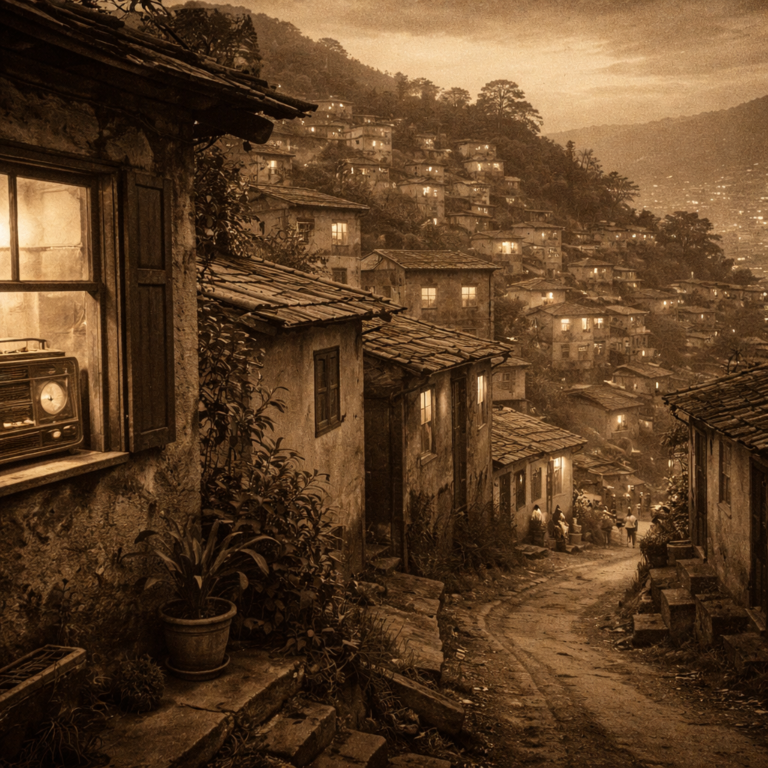
Jessé Gomes da Silva Filho — the world knows him as Zeca Pagodinho — was born in 1959 in Irajá, a working-class suburb of Rio de Janeiro.
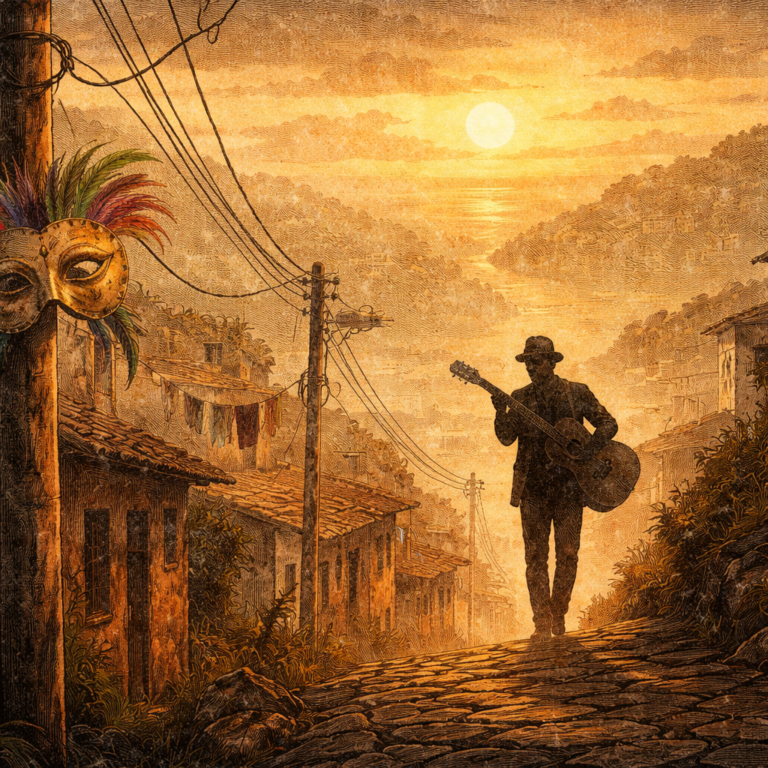
His nickname “Pagodinho” — meaning “little pagode” — was a playful tribute to his lifelong love of pagode, the sub-genre of samba that emphasizes percussion, improvisation, and communal celebration. From childhood, Zeca was surrounded by samba, by his family, and by the streets of the suburb that would forever define his music.
He did not come from a musical dynasty or a privileged background. He came from the people — and the people recognized themselves in him.
The Pagode Revolution
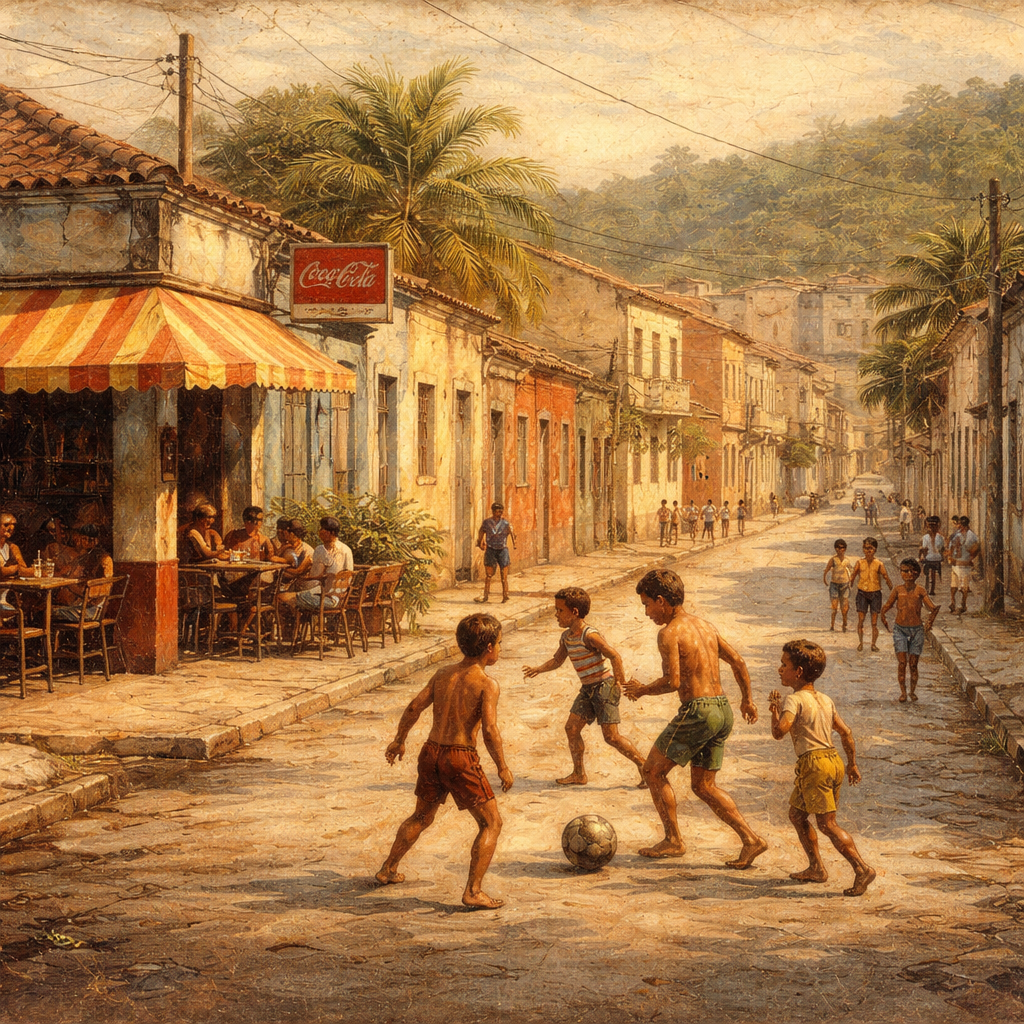
In the late 1970s and 1980s, pagode was undergoing a revolution in the suburbs of Rio.
New groups — including the influential Fundo de Quintal — were redefining samba with a more percussive, more intimate, more raw sound. Zeca Pagodinho, a backing vocalist and percussionist for Fundo de Quintal, was at the very center of this movement.
But Zeca had more than rhythmic skill. He had an irresistible charisma, a warm voice perfectly suited to the genre, and a gift for turning the ordinary into the extraordinary. He began recording as a solo artist in the 1980s, and his career took off with astonishing speed.
The Poet of Everyday Life
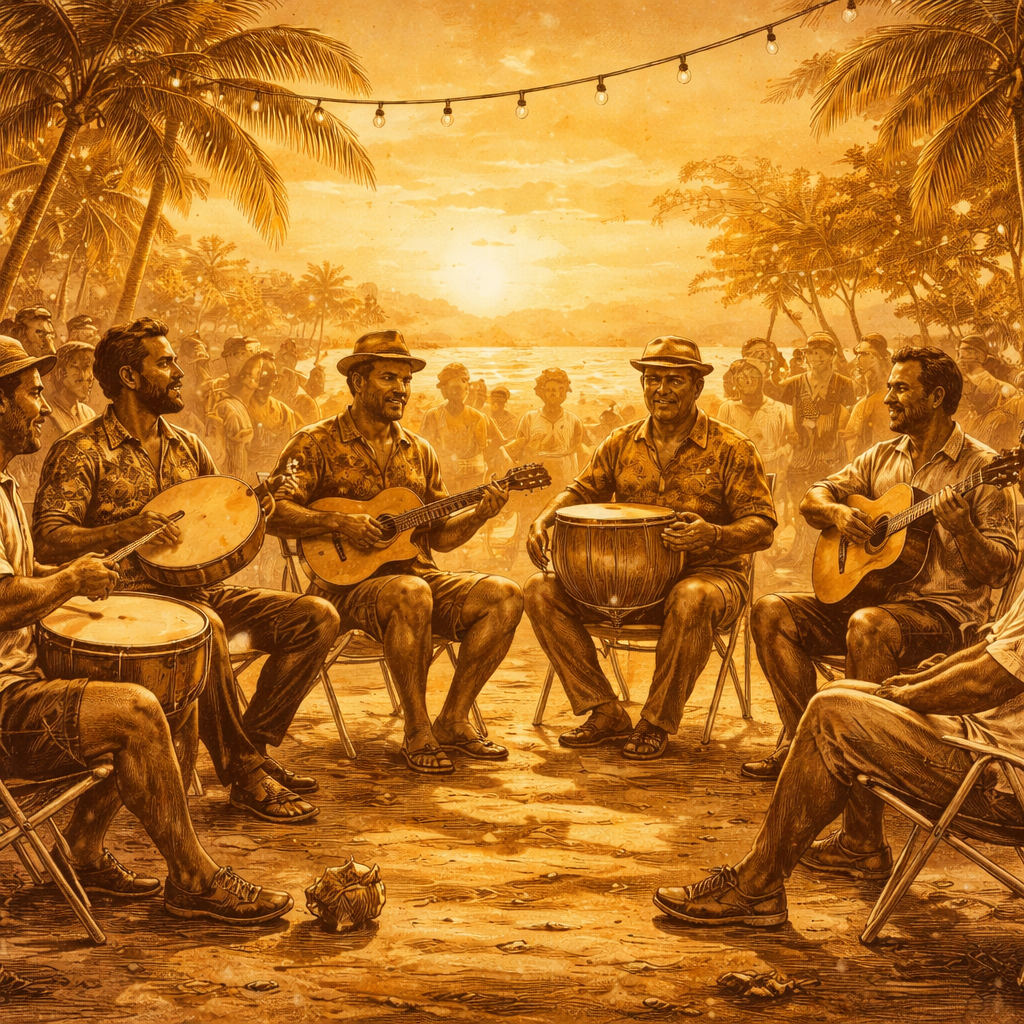
What makes Zeca Pagodinho so beloved is his ability to capture the poetry of everyday Brazilian life.
His songs celebrate the simple things: a cold beer at a bar table, a Sunday barbecue with family, the warmth of true friendship, the sweetness of an afternoon of music. Songs like “Maneiras” and “Deixa a Vida Me Levar” are not just catchy — they are philosophies of life, embracing contentment, gratitude, and resilience.
“Deixa a Vida Me Levar” (“Let Life Carry Me”) became one of the most iconic Brazilian songs of all time. It is a celebration of letting go, of trusting the flow of life, of finding happiness in the present moment. It is, in many ways, a philosophy of samba itself.
The Bar Table as a Temple
Zeca Pagodinho is inseparable from the image of the carioca bar table.
He is famous for his love of samba, his friends, and a good drink. For decades, his performances and his public persona have been defined by an effortless, joyful authenticity. He does not perform a working-class persona — he embodies it, genuinely and without pretense.
His relationship with his friends and collaborators is legendary. He has remained close to the musicians of his youth, and his records are often communal affairs, full of familiar voices and shared laughter. This sense of community is one of the roots of his popularity.

The Keeper of the Tradition
Throughout his long career, Zeca Pagodinho has remained a guardian of samba tradition while also keeping it alive and contemporary.
He has recorded tributes to the greats of the past — Cartola, Noel Rosa, and others — and he has championed younger samba artists. His records blend the classic sensibility of the genre with the energy and intimacy of pagode.
He is one of the few artists in Brazil who has achieved massive commercial success while remaining deeply respected by the samba community itself. This is a rare and precious balance.
A National Treasure
Now in his sixties, Zeca Pagodinho remains one of the most beloved figures in Brazilian popular culture.
He has received countless awards and honors, including multiple Latin Grammy Awards. His concerts draw enormous crowds, filled with people of every generation who sing along to every word.
But his greatest achievement is simpler: he made millions of Brazilians feel that their everyday lives, their neighborhoods, their friendships, and their music deserved to be celebrated. He made the suburbs of Rio the hero of modern samba — and in doing so, he made samba the hero of modern Brazil.

🇧🇷 RESUMO EM PORTUGUÊS (3-4 parágrafos)
Jessé Gomes da Silva Filho, o Zeca Pagodinho, nasceu em 1959 em Irajá, subúrbio operário do Rio de Janeiro. O apelido “Pagodinho” foi uma homenagem brincalhona ao seu amor pelo pagode, o subgênero do samba que enfatiza percussão, improviso e celebração comunitária. Desde a infância, Zeca esteve rodeado de samba, família e as ruas do subúrbio que definiriam sua música para sempre. Veio do povo — e o povo se reconheceu nele.
No final dos anos 1970 e nos anos 1980, o pagode passava por uma revolução nos subúrbios do Rio. Zeca, vocalista de apoio e percussionista do influente grupo Fundo de Quintal, estava no centro desse movimento. Mas tinha mais que habilidade rítmica — tinha carisma irresistível, voz calorosa e um dom para transformar o ordinário em extraordinário. Começou carreira solo nos anos 1980 e decolou com velocidade surpreendente.
O que torna Zeca tão amado é sua capacidade de capturar a poesia do cotidiano brasileiro. Suas canções celebram as coisas simples: uma cerveja gelada na mesa do bar, um churrasco de domingo em família, o calor da amizade verdadeira. “Deixa a Vida Me Levar” tornou-se uma das canções brasileiras mais icônicas de todos os tempos — uma celebração de deixar fluir, confiar no fluxo da vida, encontrar felicidade no presente. Aos sessenta anos, Zeca continua uma das figuras mais amadas da cultura popular brasileira, guardião da tradição do samba. Fez milhões de brasileiros sentirem que seu cotidiano, seus bairros e suas amizades mereciam ser celebrados — e, ao fazer isso, tornou o samba herói do Brasil moderno.