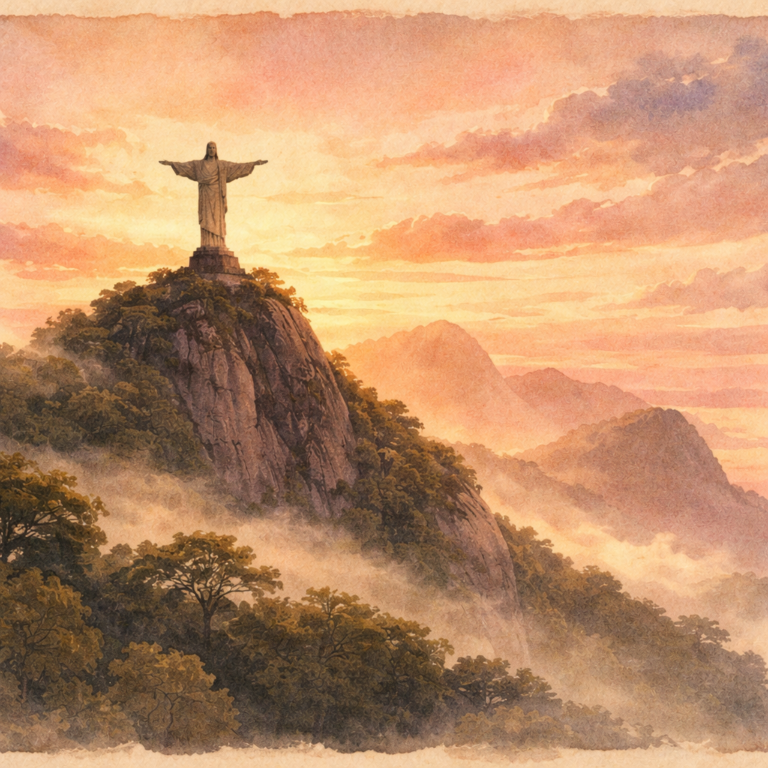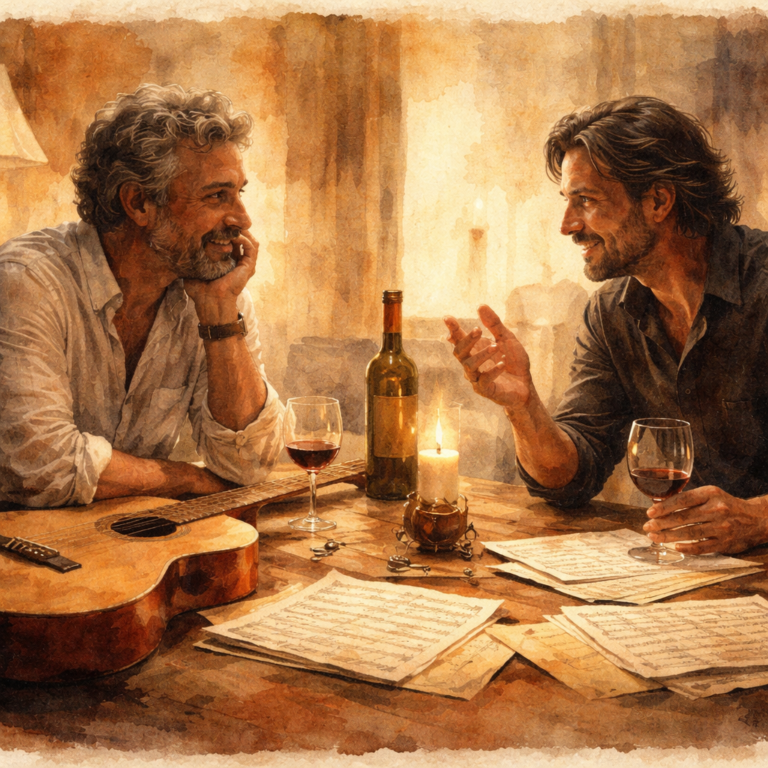
🌍 Cartola: The Poet of the Hills
🌍 Cartola: O poeta do morro
The shoemaker from Mangueira who wrote some of the most beautiful songs ever created in Brazil — and almost gave it all up. O sapateiro de Mangueira que escreveu algumas das canções mais belas já criadas no Brasil — e quase desistiu de tudo.
A Name Born on the Carnival
Agenor de Oliveira — the world would come to know him as Cartola — was born in Rio de Janeiro in 1908.

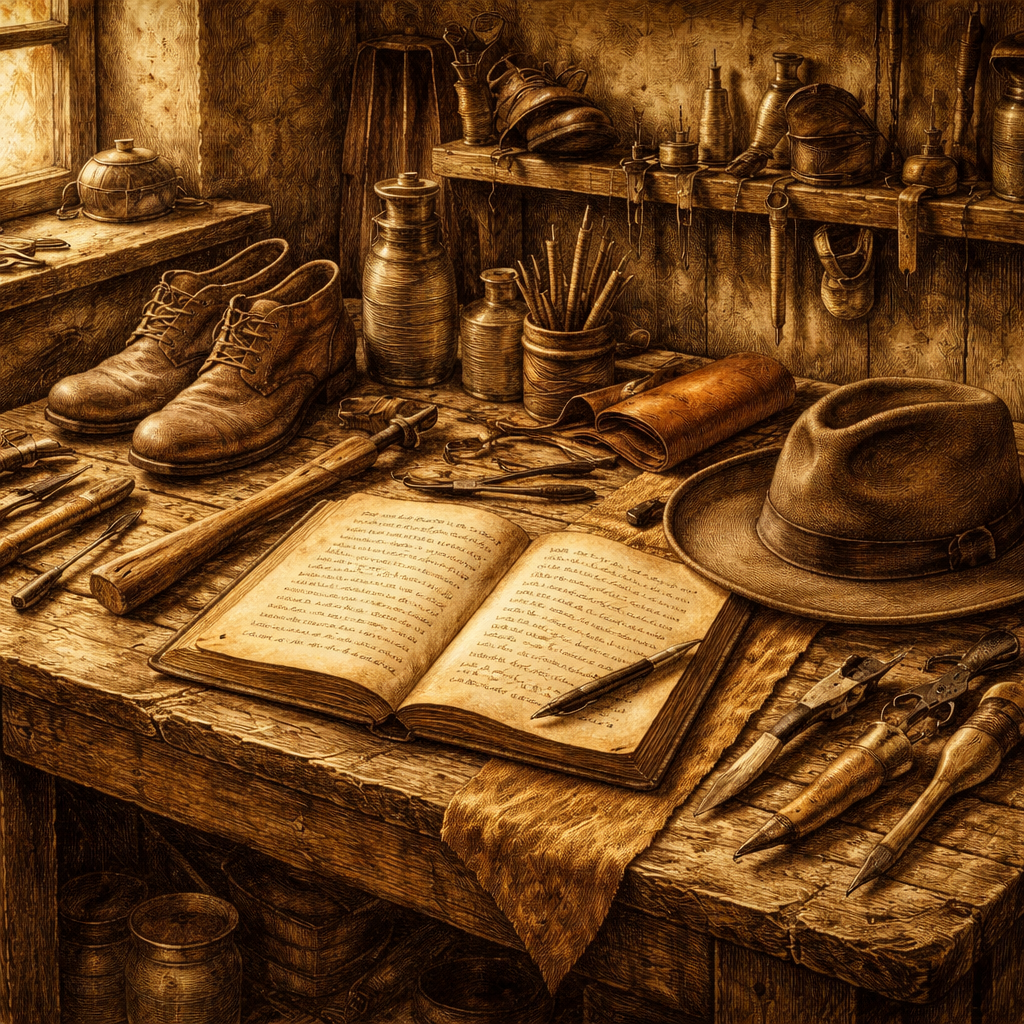
The name “Cartola” came from the top hat his mother made him wear to a Carnival celebration when he was a boy — a hat that marked him ever after. He grew up in poverty, in the working-class neighborhoods of the city, and eventually settled in Mangueira, on the hill that would become inseparable from his identity.
Orphaned at a young age and orphaned again by circumstance, Cartola’s childhood was difficult. But even as a child, music ran through him.
Mangueira and the Birth of a School
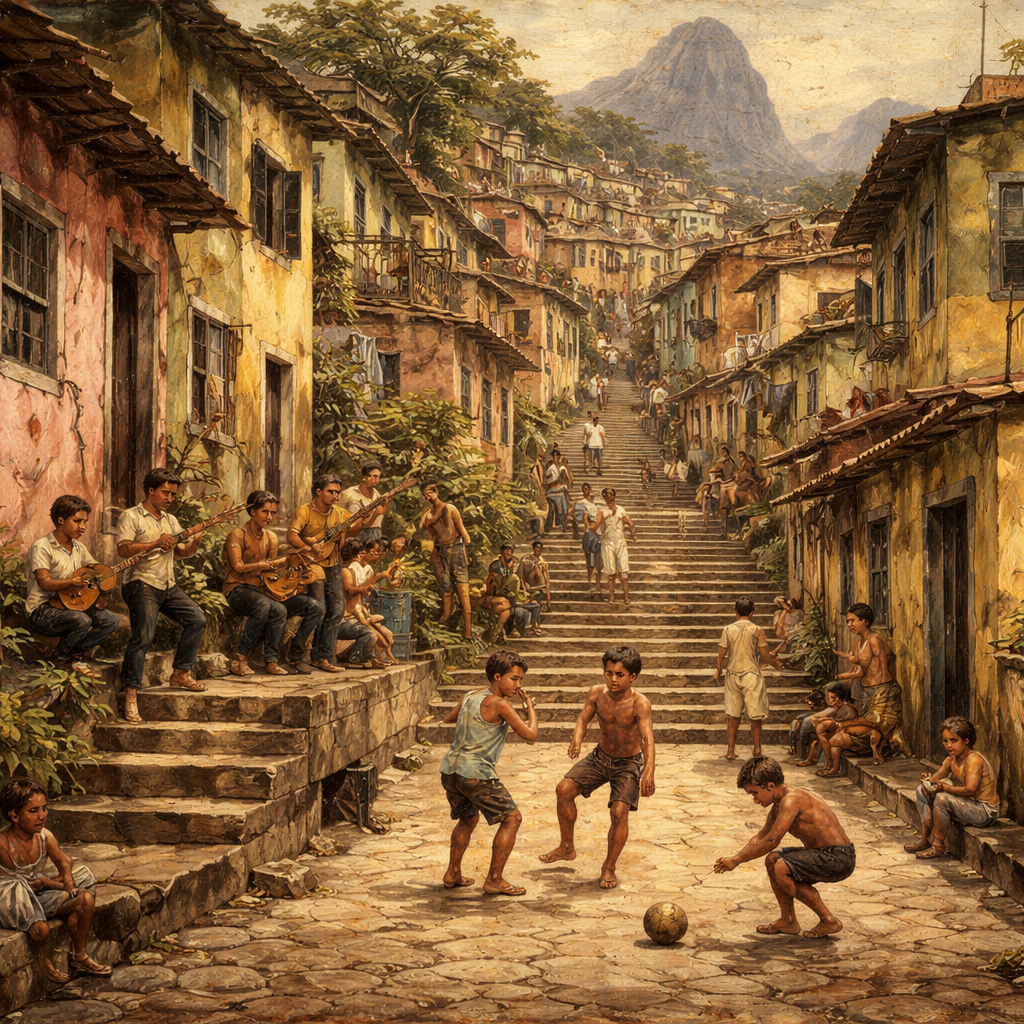
Cartola did more than live in Mangueira. He helped give it its soul.
In the late 1920s, Cartola was one of the founders of Estação Primeira de Mangueira, one of Rio’s most famous samba schools. He served as its director, its composer, and its guiding spirit in its early years. Without him, Mangueira may never have become the cultural institution it remains today.
It was in Mangueira that Cartola developed his extraordinary gift. His songs — with their refined poetry and profound feeling — helped define the sophisticated samba of the hill, a style distinct from the rawer sound of other communities.
The Poet’s Proverbs
Cartola’s lyrics are famously wise.
He wrote like a philosopher who had learned everything through suffering and joy. His lines have the quality of proverbs — simple, but carrying enormous depth. “Preciso me encontrar” (“I need to find myself”) became an existential anthem. “As rosas não falam” (“The roses don’t speak”) is a meditation on love and the unspoken. “O mundo é um moinho” (“The world is a mill”) reflects on how life grinds and transforms us.

His poetry earned him comparisons to the great Brazilian poets. Fellow sambista and writer Sérgio Porto called him “the most educated black man in Brazil” — meaning not formal education, but the deep refinement of his spirit.
The Dark Years

Cartola’s life was not a smooth ascent.
For much of his life, he struggled with poverty and obscurity. His first wife left him. He separated from the world of samba for years, disappearing from music entirely. At one low point, he worked at a construction site, and a journalist who found him there was shocked to discover the legendary composer washing cars and doing manual labor.
He seemed to have accepted his fate — a brilliant artist who would never be recognized. Brazil’s future treasure was, for a time, almost lost.
The Return of the Treasure
In the 1960s, Cartola was rediscovered.
Through the efforts of fellow musicians and journalists who refused to let him be forgotten, he was brought back into the music scene. At the age of 61, after decades of silence, he released his first solo album. It was an extraordinary return — a collection of songs so beautiful and so masterful that it immediately cemented his status as one of Brazil’s greatest composers.
He released several more albums before his death in 1980, at the age of 72. His late period produced some of the most beloved songs in all of Brazilian music, including “As Rosas Não Falam,” “O Mundo É um Moinho,” and “Preciso Me Encontrar.”
The Lesson of Cartola
Cartola’s story is one of resilience — but also of the strange, unpredictable ways that greatness is recognized.
He could have died in obscurity, his songs lost to history. Instead, through persistence, friendship, and a stroke of good fortune, his work survived. Today, Cartola is revered as one of the most important songwriters in Brazilian history.
His songs continue to be recorded by new generations of artists. His poetry continues to move listeners. And Mangueira, the hill that gave him his identity, honors him as one of its greatest sons.
Cartola proved that genius does not always announce itself early — and that it can survive the harshest conditions, waiting for the moment it can finally bloom.

🇧🇷 RESUMO EM PORTUGUÊS (3-4 parágrafos)
Agenor de Oliveira, o Cartola, nasceu no Rio de Janeiro em 1908. O nome veio da cartola que sua mãe o fazia usar no Carnaval quando menino. Cresceu na pobreza, nos bairros operários da cidade, e se estabeleceu em Mangueira — o morro que se tornou inseparável de sua identidade. Órfão de mãe ainda na infância, teve uma criação difícil, mas a música sempre correu por suas veias.
No final dos anos 1920, Cartola foi um dos fundadores da Estação Primeira de Mangueira, uma das mais famosas escolas de samba do Rio, servindo como diretor, compositor e espírito guia em seus primeiros anos. Suas letras têm qualidade de provérbios — simples, mas carregadas de profundidade enorme. “Preciso Me Encontrar” tornou-se um hino existencial; “As Rosas Não Falam” é uma meditação sobre o amor; “O Mundo É um Moinho” reflete sobre como a vida nos tritura e transforma.
Durante grande parte de sua vida, Cartola lutou contra a pobreza e o esquecimento. Em um momento difícil, trabalhou em obras, lavando carros — um jornalista que o encontrou ficou chocado ao ver o lendário compositor em trabalho manual. Na década de 1960, foi redescoberto por esforço de músicos e jornalistas. Aos 61 anos, após décadas de silêncio, lançou seu primeiro álbum solo. Morreu em 1980, aos 72 anos, deixando um dos maiores legados da música brasileira. Cartola provou que o gênio nem sempre se anuncia cedo — e que pode sobreviver às condições mais duras, esperando o momento de finalmente florescer.