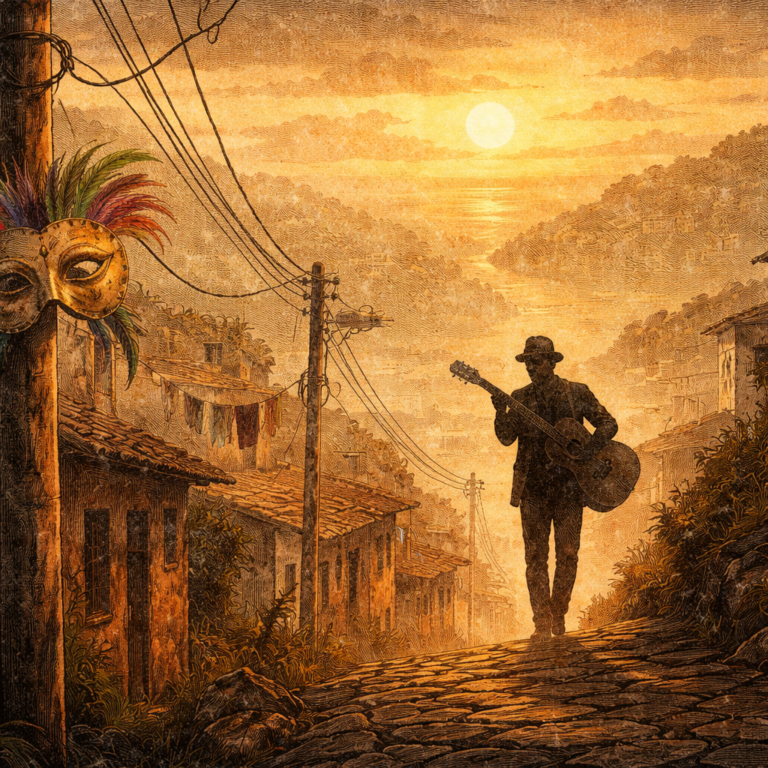
Luiz Bonfá: The Soundtrack of a Dream
🌍 Luiz Bonfá: A trilha sonora de um sonho
The guitarist whose “Manhã de Carnaval” made the world fall in love with Brazil in a single melody. O violonista cuja “Manhã de Carnaval” fez o mundo se apaixonar pelo Brasil numa única melodia.
The Melody That Introduced Brazil
Some melodies define a nation. Luiz Bonfá wrote one of them.
“Manhã de Carnaval” — “Morning of Carnival” — is perhaps the most beautiful and recognizable guitar melody to come out of Brazil. Written for the 1959 film Orfeu Negro, it became an international standard, recorded hundreds of times. It is a song that, in a single line of melody, carries the entire atmosphere of Brazil: the carnival, the sorrow, the beauty, the longing.
Its composer, Luiz Bonfá, was a guitarist of extraordinary lyricism and generosity — an artist who spent his life sharing the gentle sound of Brazil with the world.

From the Guitar to the World
Luiz Bonfá was born in Rio de Janeiro in 1922.
He learned guitar as a child and studied classical composition, quickly demonstrating remarkable talent. As a young man, he performed on Brazilian radio and became a respected figure in the music scene before bossa nova had even found its name.
His playing was characterized by an exceptional warmth and melodic beauty. He was equally at home with classical precision and popular swing. This versatility made him a sought-after performer, composer, and arranger.
The Orfeu Negro Breakthrough
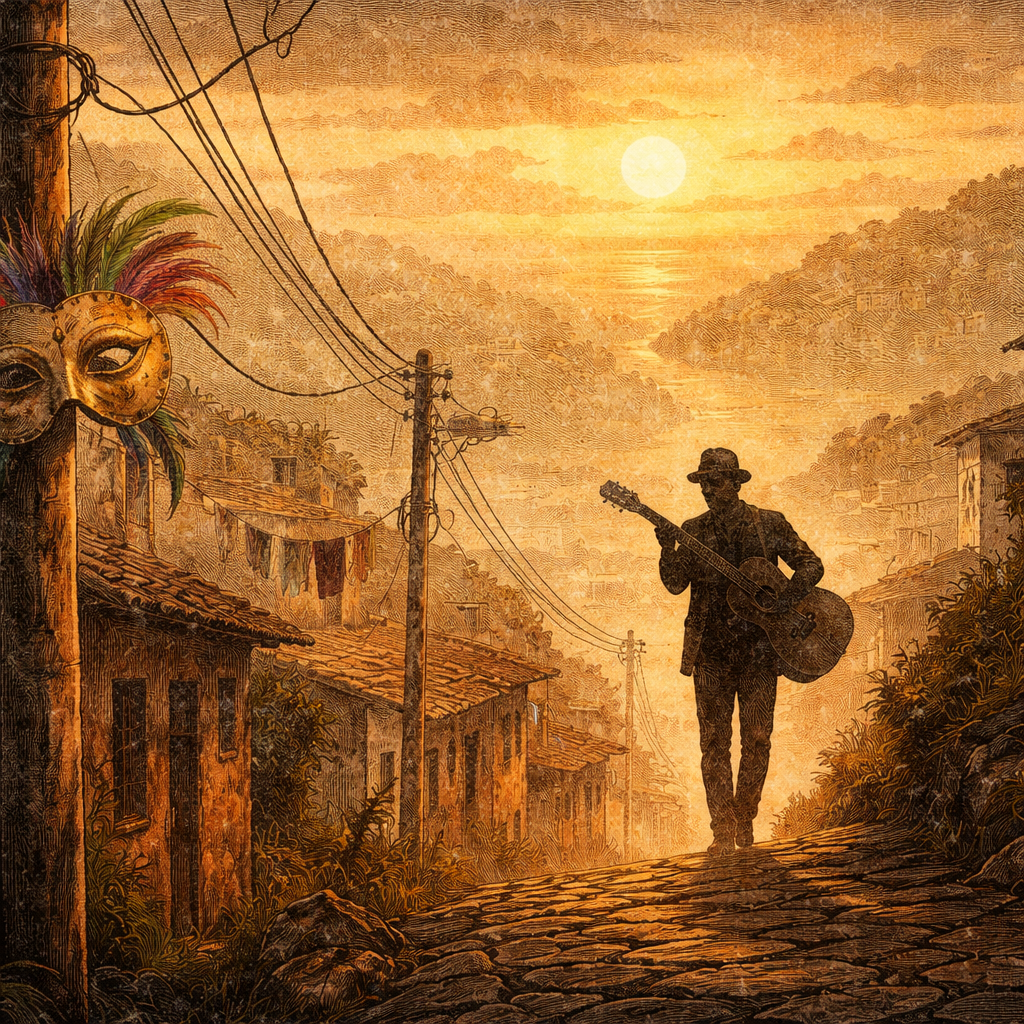
Bonfá’s life changed with Orfeu Negro.
The film, a retelling of the Greek myth of Orpheus set in the Rio carnival, needed music of extraordinary beauty. Bonfá, along with Tom Jobim and Vinicius de Moraes, contributed to the legendary soundtrack.
Bonfá’s “Manhã de Carnaval” and “Samba de Orfeu” became the film’s most beloved pieces. When Orfeu Negro won the Palme d’Or at Cannes and the Academy Award in 1960, Bonfá’s melodies traveled around the world. The gentle sound of Brazilian guitar suddenly had a global audience.
The American Adventure
Following the success of Orfeu Negro, Bonfá brought his music to the United States.
He recorded and performed in New York, collaborating with American musicians and audiences. His relationship with the jazz world was close, and his guitar work was admired by musicians who were themselves legends of improvisation.
His recordings from this period — solo guitar albums and ensemble work — captured the elegance and warmth that made his playing beloved. He introduced many American listeners not just to bossa nova, but to the deeper traditions of Brazilian guitar.
The Gentle Collaborator
Bonfá was known not only for his talent but for his warmth.
He collaborated generously with a wide range of artists — from Stan Getz to Antônio Carlos Jobim to the young musicians of the new generation. His music never sought to dominate. It sought to serve the song, the moment, and the beauty of the sound itself.
This humility and generosity made him beloved by his peers and by generations of listeners. His guitar always seemed to be smiling.

A Legacy of Morning Light
Luiz Bonfá passed away in 2001, at the age of 78.
He left behind a catalog of recordings that ranks among the most beautiful in Brazilian music — solo works, collaborations, and film music that continue to be rediscovered by each new generation.
But his greatest gift remains “Manhã de Carnaval.” It is a melody that opens like a dawn — full of promise, beauty, and a tender melancholy that speaks to something universal. As long as that melody is heard, Brazil will have its morning song, and Luiz Bonfá will live on as the soundtrack of a dream.
🇧🇷 RESUMO EM PORTUGUÊS (3-4 parágrafos)
Algumas melodias definem uma nação. Luiz Bonfá escreveu uma delas. “Manhã de Carnaval” — a mais bela e reconhecível melodia de violão já saída do Brasil — foi escrita para o filme Orfeu Negro de 1959 e tornou-se padrão internacional, gravada centenas de vezes. É uma canção que, numa única linha de melodia, carrega toda a atmosfera do Brasil: o carnaval, a dor, a beleza, a saudade. Seu compositor era um violonista de lirismo e generosidade extraordinários.
Luiz Bonfá nasceu no Rio de Janeiro em 1922. Aprendeu violão quando criança e estudou composição clássica. Quando jovem, se apresentava no rádio brasileiro e tornou-se figura respeitada antes mesmo de a bossa nova ganhar nome. Sua execução era marcada por calor e beleza melódica excepcionais — igualmente à vontade com a precisão clássica e o swing popular.
Sua vida mudou com Orfeu Negro. O filme, uma releitura do mito de Orfeu ambientada no carnaval carioca, precisava de música de beleza extraordinária. As composições de Bonfá, “Manhã de Carnaval” e “Samba de Orfeu”, tornaram-se as peças mais amadas da trilha. Quando o filme venceu a Palma de Ouro em Cannes e o Oscar em 1960, as melodias de Bonfá viajaram pelo mundo.
Após o sucesso, Bonfá levou sua música aos Estados Unidos, gravando em Nova York e colaborando com o mundo do jazz. Era conhecido não só pelo talento, mas pela generosidade — colaborou com Stan Getz, Tom Jobim e as novas gerações, sempre servindo à beleza do som. Faleceu em 2001, aos 78 anos. Seu maior presente permanece “Manhã de Carnaval” — uma melodia que se abre como uma aurora, cheia de promessa, beleza e melancolia terna que fala ao universal.