
Nara Leão: The Muse of Bossa Nova
🌍 Nara Leão: A musa da bossa nova
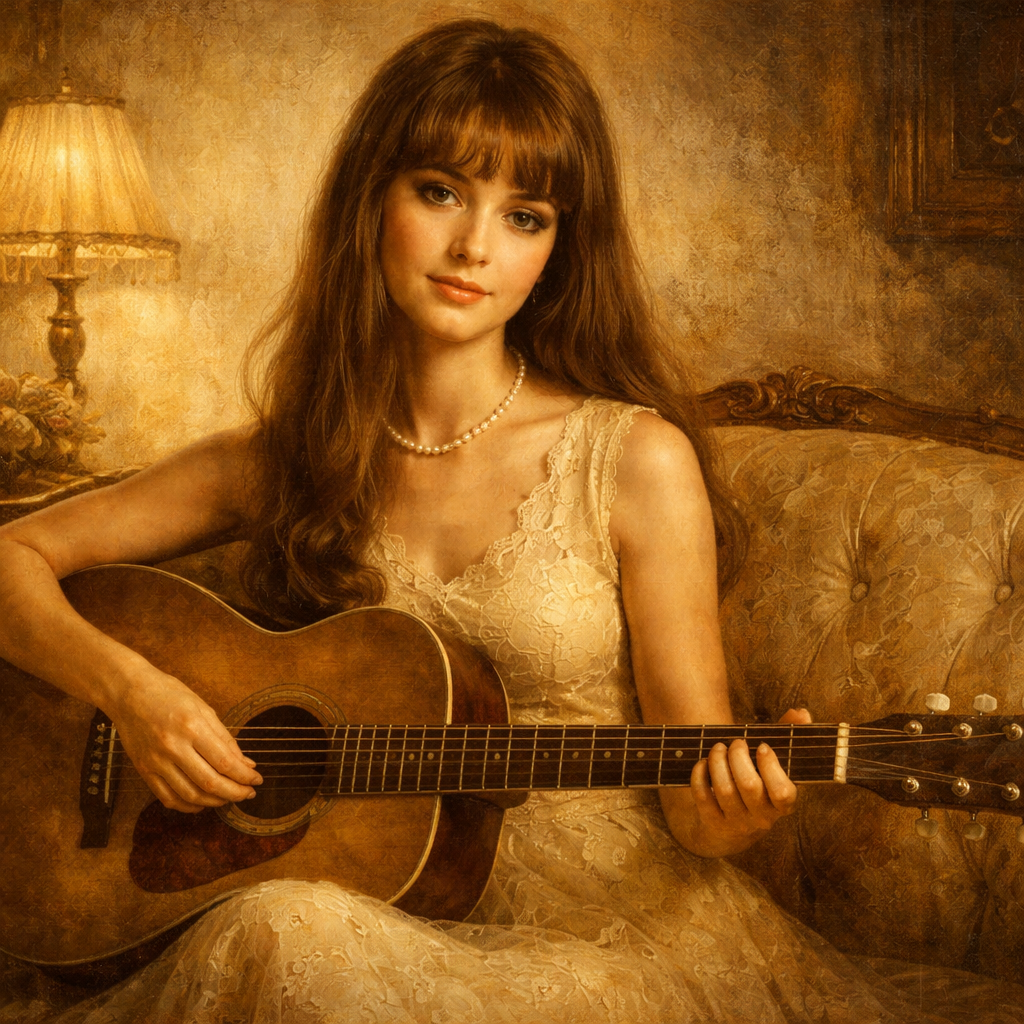
The girl from the apartment that hosted geniuses — who forever changed how the world heard Brazilian music. A garota do apartamento que recebeu gênios — e que mudou para sempre como o mundo ouviu a música brasileira.
The Girl From the Corner Apartment
Nara Leão was not merely a singer. She was a catalyst — the person around whom an entire musical revolution crystallized.
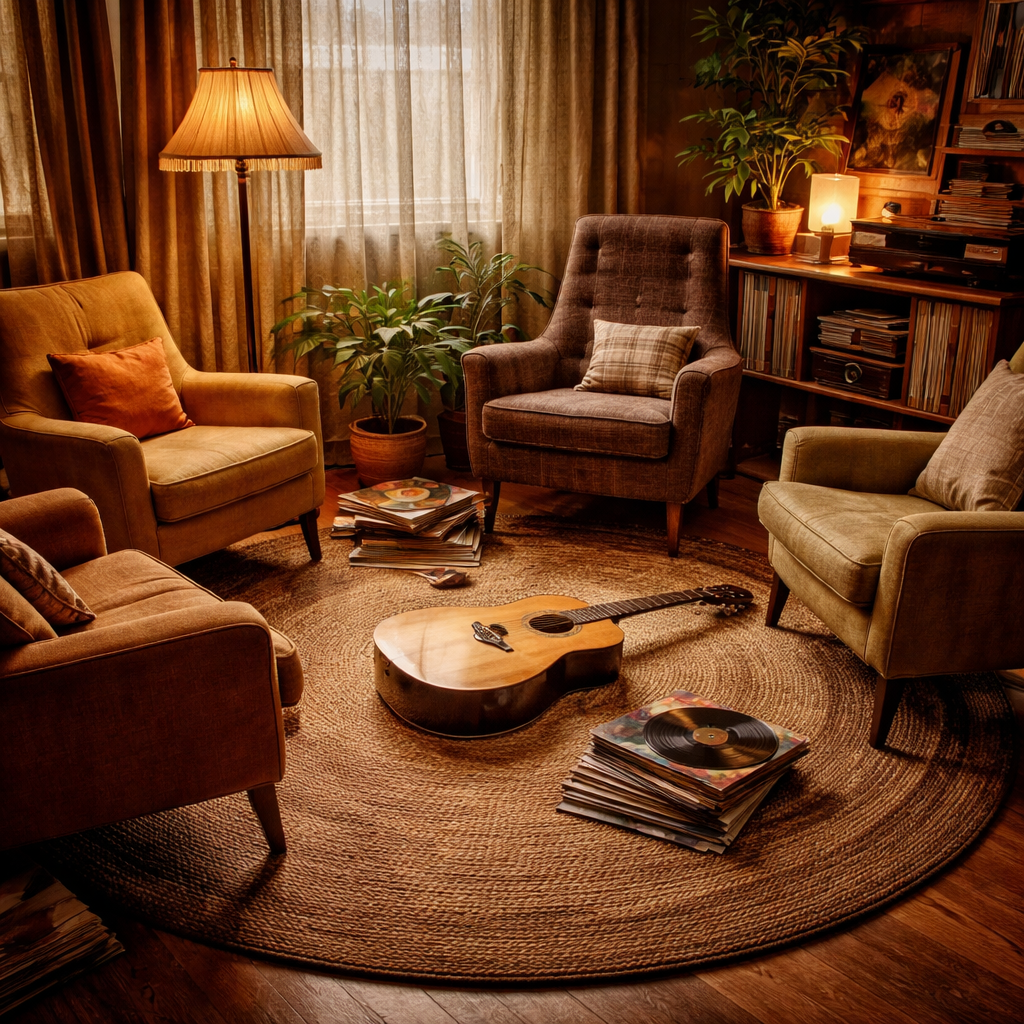
Born in Vitória, Espírito Santo, in 1942, Nara moved to Rio de Janeiro as a child and grew up in an apartment in Copacabana. That apartment, modest and comfortable, became the gathering place for a generation of musicians who would transform Brazilian music.
Her father had a large collection of record albums with heavy instrumentation and jazz. Her mother, a painter, filled the home with music and art. From a young age, Nara was surrounded by the sounds that would define her life.

The Living Room That Launched a Movement
In the late 1950s, the apartment at 46 Avenida Atlântica became a meeting point.
Young musicians and poets gathered there — Antônio Carlos Jobim, João Gilberto, Vinicius de Moraes, Carlos Lyra, Roberto Menescal, and others. They played, they argued, they experimented. They searched for a new way to play and sing Brazilian music — something quieter, more refined, more intimate than the samba-canção that dominated the radio.
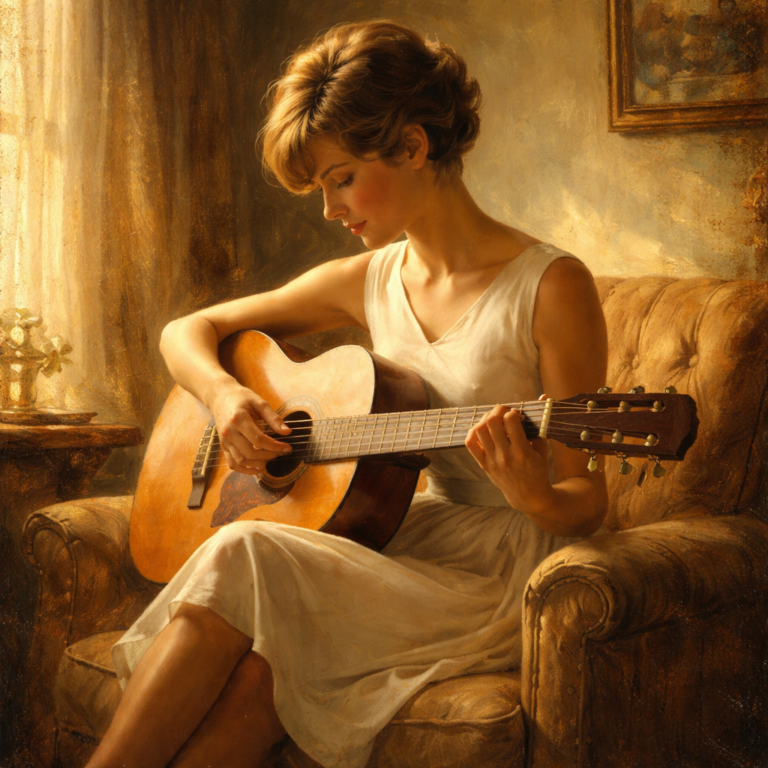
Nara was the gravitational center of this circle. A young woman with a serene voice and a sharp mind, she was one of the most important voices in the formation of what would become bossa nova.
The Refined Voice
Nara Leão’s voice was not powerful. It did not need to be.
It was refined, subtle, and deeply expressive. She sang with an understated beauty that perfectly matched the bossa nova aesthetic — intimate, precise, and full of feeling. Her renditions of songs by Jobim, Lyra, and others became standards of the genre.
In 1964, she recorded her debut album, a landmark of bossa nova that included her unforgettable versions of “Diz Que Fui Por Aí,” “Nanã,” and other classics. Her voice helped define the soft, sophisticated sound that would conquer the world.
A Voice of Conscience
Nara Leão was far more than a pretty voice.
She was politically aware and socially conscious — qualities that became increasingly important to her as Brazil entered the military dictatorship in 1964. Her repertoire expanded beyond bossa nova to include protest songs and the music of the marginalized.
She recorded the work of composers of the favelas and the struggle, giving voice to experiences rarely heard in mainstream Brazilian music. She was at the 1968 festival performing with Caetano and Gil, and she stood firmly on the side of artistic freedom and social justice.

The Artist Who Never Stopped
Throughout her career, Nara Leão refused to be limited.
She explored samba, MPB, and the music of the people. She recorded with artists across the spectrum of Brazilian music. Her collaborations with her friends from the Copacabana apartment — and with a new generation of voices — reveal an artist in constant evolution.
She passed away in 1989, at just 47 years old, after a long illness. The musical world lost one of its quietest and most important voices.

The Friendship That Built a Nation
Nara Leão’s great legacy is not only her recordings — it is the circle of genius she helped bring together.
Had her apartment not opened its doors to those young musicians, the history of Brazilian music might have been very different. She provided the space, the encouragement, and the creative spark that helped bossa nova come to life.
She was the muse not only of a musical movement, but of an idea — that Brazil could create something genuinely new, genuinely beautiful, and genuinely its own. Nara Leão will forever be remembered as the girl from the corner apartment who changed everything.
🇧🇷 RESUMO EM PORTUGUÊS (3-4 parágrafos)
Nara Leão não foi apenas uma cantora. Foi uma catalisadora — a pessoa em torno da qual se cristalizou uma revolução musical inteira. Nascida em Vitória em 1942, mudou-se para o Rio ainda criança e cresceu em um apartamento em Copacabana. Aquele apartamento se tornou o ponto de encontro de uma geração de músicos que transformaria a música brasileira.
No final dos anos 1950, o apartamento da Avenida Atlântica virou um ponto de encontro. Jovens músicos e poetas se reuniam ali — Antônio Carlos Jobim, João Gilberto, Vinicius de Moraes, Carlos Lyra, Roberto Menescal. Tocavam, discutiam, experimentavam. Buscavam uma nova forma de tocar e cantar a música brasileira — algo mais quieto, mais refinado, mais íntimo do que a samba-canção que dominava o rádio. Nara era o centro gravitacional desse círculo.
Sua voz não era poderosa — não precisava ser. Era refinada, sutil e profundamente expressiva, combinando perfeitamente com a estética da bossa nova. Em 1964 gravou seu álbum de estreia, um marco do gênero. Mas Nara era muito mais que uma voz bonita: era politicamente consciente e socialmente engajada. Com a ditadura militar, seu repertório se expandiu para canções de protesto e a música dos marginalizados, gravando obras de compositores das favelas.
Nara faleceu em 1989, aos 47 anos. Seu grande legado não é só a discografia — é o círculo de gênios que ajudou a reunir. Sem seu apartamento recebendo aqueles jovens músicos, a história da música brasileira poderia ser muito diferente. Ela foi a musa não apenas de um movimento, mas de uma ideia: que o Brasil podia criar algo genuinamente novo, belo e próprio.