🌍 O som do vinil: Como a bossa nova era gravada
Before the digital age, capturing a song demanded art, patience, and a room that sounded just right. Antes da era digital, capturar uma canção exigia arte, paciência e uma sala com o som perfeito.
A World Before the Click
It is easy to forget how music used to be made.
Before digital software, before auto-tune, before streaming, there was a different way of capturing sound. Bossa nova was recorded entirely in this earlier world — an era of analog tape, studio orchestras, and the singular magic of musicians performing together, in real time, in the same room.
Understanding how bossa nova was recorded helps us understand why it sounds the way it does — warm, intimate, and alive.
The Tape and the Precision
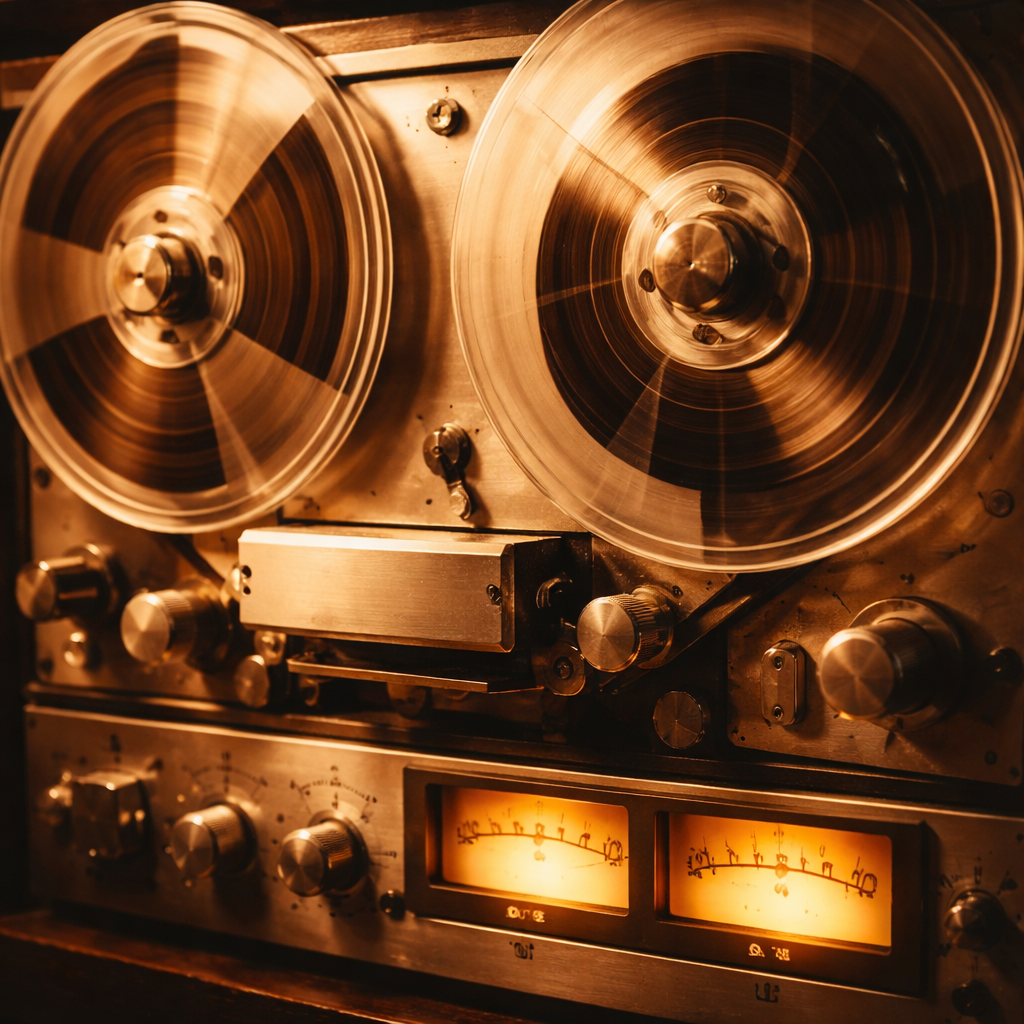
The foundation of all recording in the bossa nova era was analog magnetic tape.
Recording to tape was an unforgiving discipline. Once the tape was rolling, there was no easy way to edit imperfections. Musicians had to perform their best, in full, in real time. There were no digital tools to fix a slightly out-of-tune note or a rushed rhythm after the fact.
Bossa nova musicians developed extraordinary precision precisely because of these constraints. The perfection of João Gilberto’s timing, the subtlety of Jobim’s pianism — these were honed in a world where a mistake meant a new take from the beginning.
The Room as an Instrument
In the analog era, the recording space was as important as the musicians.
Bossa nova was designed to be an intimate sound — close, warm, personal. The great recordings of the genre were often made in smaller studios with natural acoustics, where the soft contours of the guitar and voice could shine without the harshness of later digital processing.
The placement of microphones was an art. Engineers and musicians worked together to capture the delicate balance of the bossa nova ensemble — the hush of the voice, the warmth of the strings, the soft pulse of the shaker.
The Ensemble in One Room
One of the greatest virtues of analog recording was its honesty about musicians playing together.
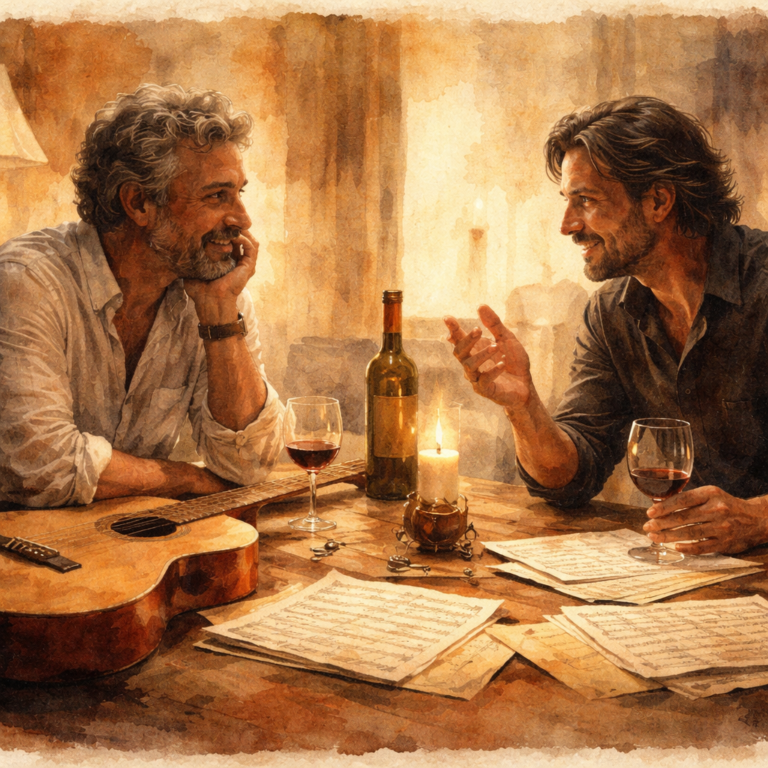
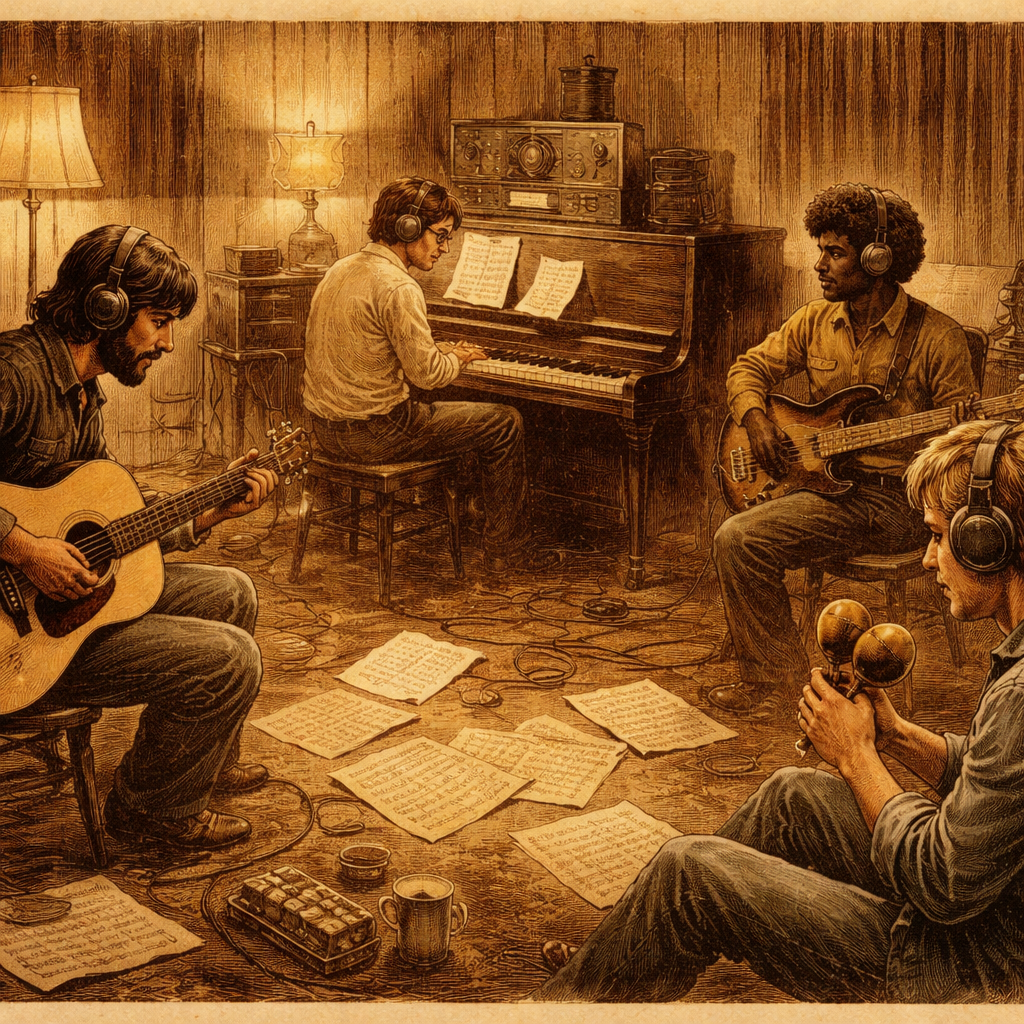
Bossa nova records were made by real ensembles performing at the same time — singer, guitarist, bass, piano, and percussion sharing the same acoustic space. This created a sense of togetherness, a “one-room” intimacy, that digital multi-tracking often loses.
The chemistry between musicians was captured live. The subtle glances, the spontaneous responses, the feel of players breathing together — all of it was preserved on tape. This is why so many classic bossa nova recordings feel so alive.
The Art of the Take
In this world, a “take” was a precious thing.
Producers and musicians would rehearse extensively, refine the arrangement, and then commit a full performance to tape. They sought not technical perfection in the modern sense, but a performance that carried feeling and life — an interpretation that felt true.
Some of the most beloved bossa nova recordings came from early takes, full of spontaneity. The ease of “The Girl from Ipanema,” sung by Astrud Gilberto on her very first professional recording, is a testament to how the analog world could capture lightning in a bottle.
The Warmth That Never Fades
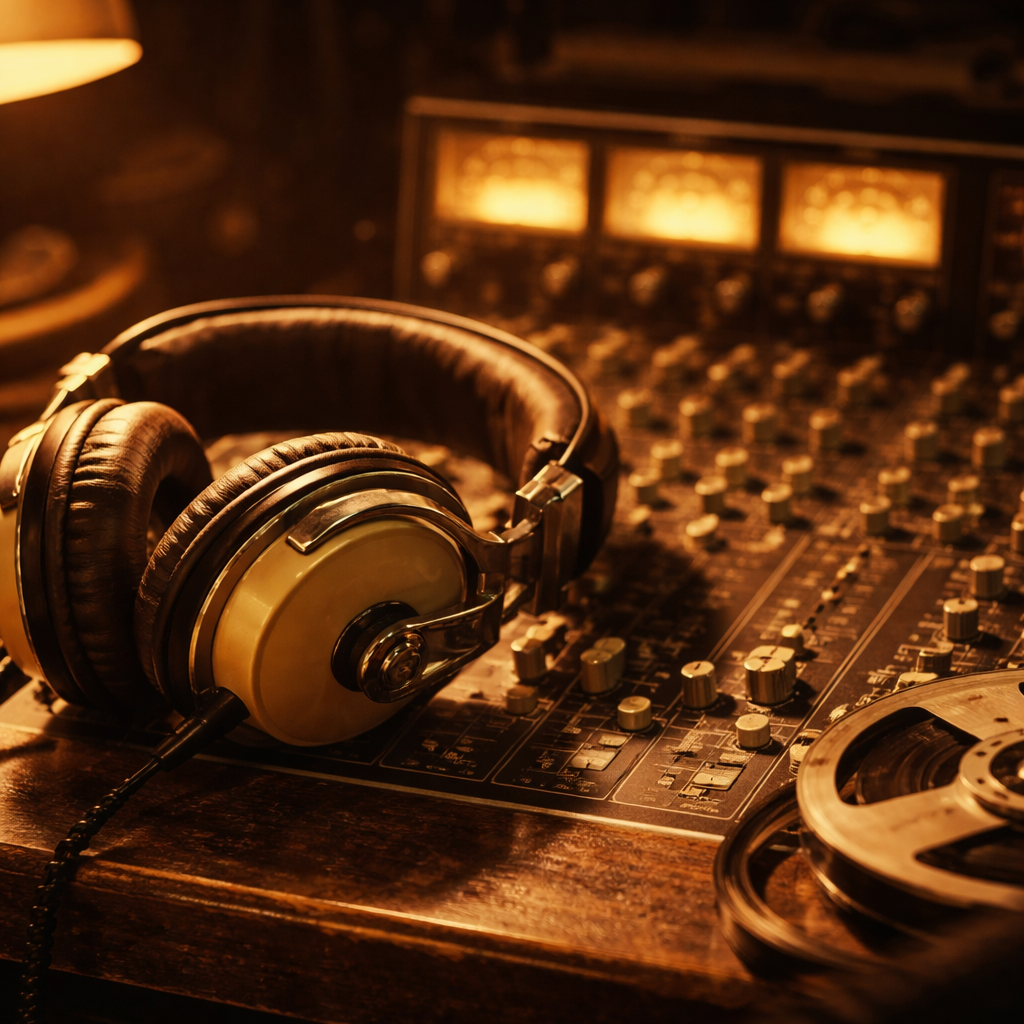
The analog recordings of bossa nova have a distinctive warmth — a roundness, a softness, a sense of presence — that many listeners still prefer to modern digital sound.
This warmth is not accidental. It is the product of analog tape, natural acoustics, and the intimate human performance at the heart of the genre. It is a sound that seems to carry not just the music, but the atmosphere of the room, the mood of the moment, the breath of the musicians.
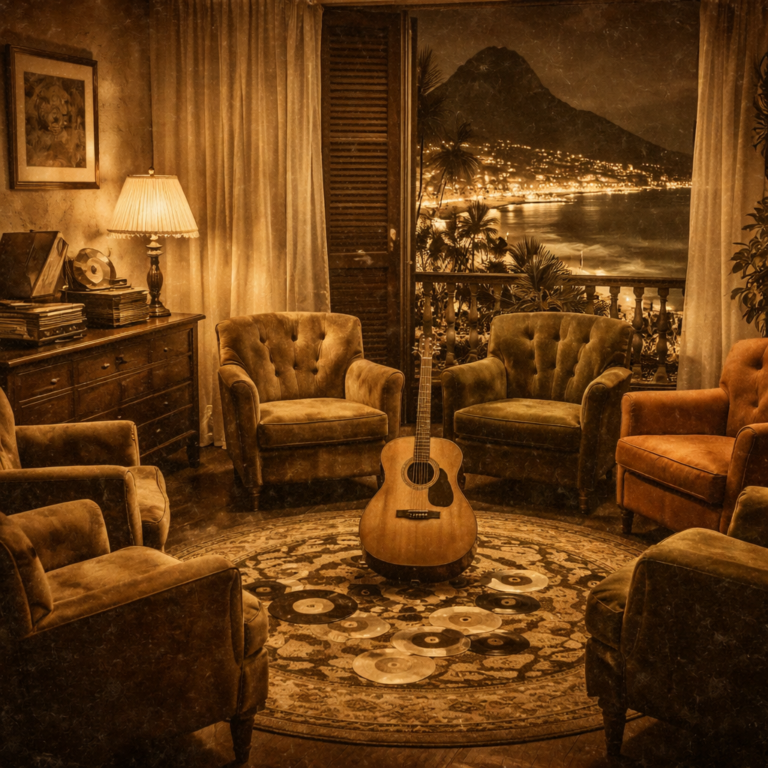
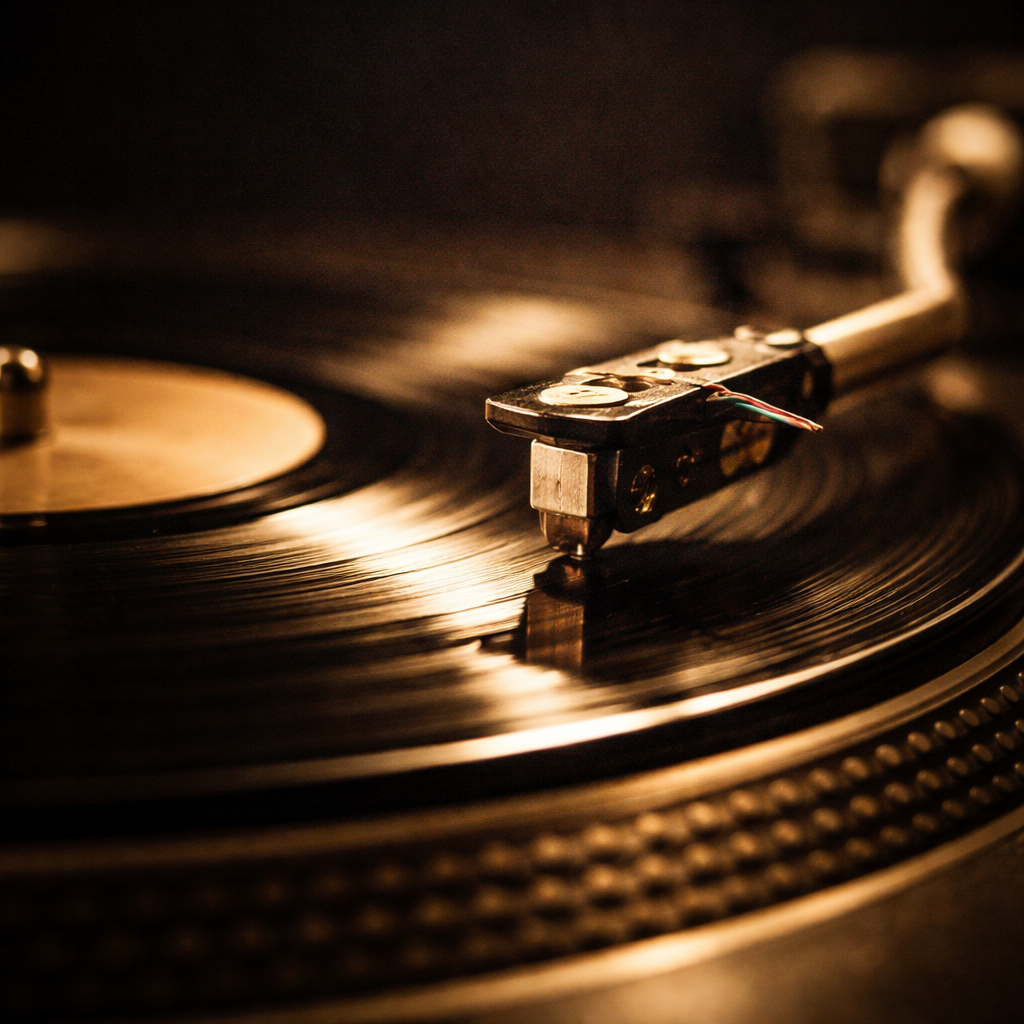
Bossa nova was born in this analog world, and its sound is inseparable from it. When we listen to those classic recordings on vinyl, we are not just hearing music — we are hearing a moment in time, preserved in tape, alive forever in the grooves of the record.
🇧🇷 RESUMO EM PORTUGUÊS (3-4 parágrafos)
É fácil esquecer como a música costumava ser feita. Antes do software digital, antes do auto-tune, antes do streaming, existia uma outra forma de capturar o som. A bossa nova foi gravada inteiramente nesse mundo anterior — uma era de fita analógica, orquestras de estúdio e a magia singular de músicos tocando juntos, em tempo real, na mesma sala. Entender como a bossa nova era gravada ajuda a entender por que ela soa como soa — quente, íntima e viva.
A base de toda gravação na era da bossa nova era a fita magnética analógica. Gravar em fita era uma disciplina implacável: uma vez que a fita rodava, não havia forma fácil de editar imperfeições. Os músicos tinham que tocar o melhor que pudessem, por completo, em tempo real. Não havia ferramentas digitais para corrigir uma nota desafinada ou um ritmo apressado. Os músicos de bossa nova desenvolveram precisão extraordinária justamente por causa dessas limitações.
Na era analógica, o espaço de gravação era tão importante quanto os músicos. A bossa nova foi desenhada para ser um som íntimo — próximo, quente, pessoal. As grandes gravações do gênero eram feitas em estúdios menores, com acústica natural, onde os contornos suaves do violão e da voz podiam brilhar. A colocação de microfones era uma arte.
Uma das maiores virtudes da gravação analógica era a honestidade sobre músicos tocando juntos. Os discos de bossa nova eram feitos por grupos reais tocando ao mesmo tempo — cantor, violonista, baixo, piano e percussão compartilhando o mesmo espaço acústico. Isso criava uma intimidade de “sala única” que a gravação digital frequentemente perde. As gravações analógicas da bossa têm um calor distinto — maciez, redondeza, presença — que muitos ouvintes ainda preferem. A bossa nova nasceu nesse mundo analógico, e seu som é inseparável dele.